
How to Choose Dining Chairs That Support Proper Sitting
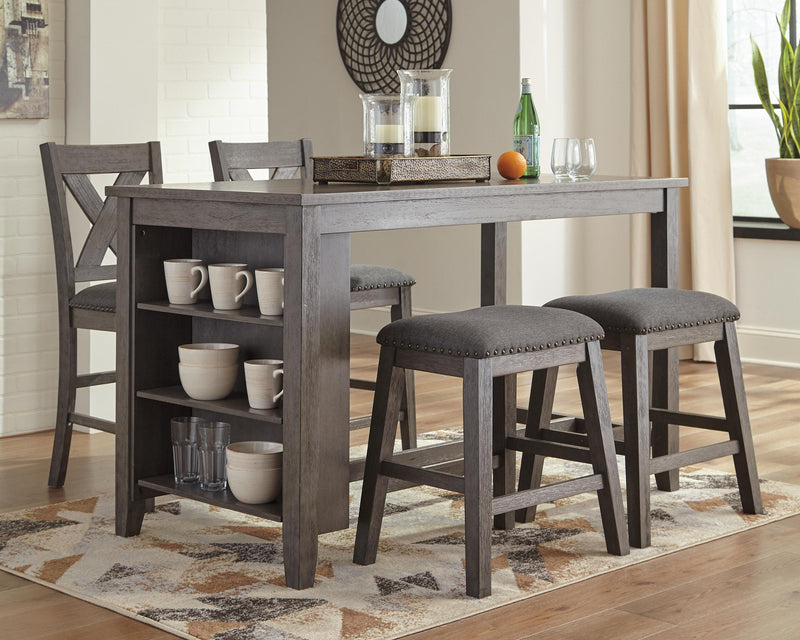
The chairs around your dining table do more than complete the look of your dining room. They determine whether you finish a meal feeling relaxed or reach for your lower back after a long dinner. Good dining chairs prevent back pain, help people maintain an upright posture, and make it genuinely easier to enjoy meals, from quick weekday breakfasts to extended holiday gatherings that stretch past dessert.
Proper sitting means feet flat on the floor, a neutral spine that maintains its natural S-curve, relaxed shoulders, and enough room to shift without twisting awkwardly. When your chair supports this position naturally, you stop fighting your furniture and start enjoying your dining experience.
This guide covers the essentials quickly: key measurements first (height, depth, spacing), then back support and ergonomics, materials, and practical buying tips. Whether you’re furnishing a new dining space or replacing chairs that leave you stiff after every dinner party, these principles will help you find comfortable dining chairs that work for your body.
Your dining room chairs matter as much as your dining table when it comes to posture and comfort. A beautiful table paired with uncomfortable chairs creates an uncomfortable dining experience that cuts conversations short and leaves guests shifting in their seats. The right chair encourages people to sit fully back, rest comfortably against proper support, and stay engaged through long dinners without the constant urge to stand up and stretch.
Start with Measurements: Getting Height, Depth, and Spacing Right
Before you consider style, fabric, or color, measurements are the fastest way to avoid uncomfortable, slouch-inducing chairs designed without your body in mind. These numbers are non-negotiable starting points that separate comfortable chairs from furniture that looks good but fails its primary function.
The ideal gap between the seat and the underside of the table should be around 10-12 inches of clearance for most adults. Using a standard dining table at 30 inches high with chairs featuring an 18-20 inch seat height gives you that comfortable 10-12 inch window. This clearance provides ample legroom without forcing you to hunch forward to reach your plate.
Seat depth should fall in the 15-18 inch range so that someone can sit with their back fully against the backrest while maintaining 2-3 inches between the seat front and the back of their knees. This prevents the chair from cutting off circulation while still supporting your thighs properly.
For seat width and table space, plan for roughly 24 inches of table length per person. This gives each family member adequate personal space and elbow room without forcing anyone into cramped, posture-compromising positions. When people feel squeezed, they twist sideways, lean awkwardly, or perch on seat edges, all habits that undermine proper posture.
Before buying new dining room chairs, measure your table at home. Note the height, the distance from floor to table apron, and the overall dimensions of your dining area. Then compare these with chair specs. The formula is straightforward: right chair height plus adequate seat depth plus enough width equals comfortable dining for extended periods.
Seat Height: Aligning Chair and Table for Neutral Posture
Most standard dining tables sit between 28 and 30 inches high. Chairs with a 17-19 inch dining chair seat height usually work best for keeping elbows at a comfortable angle while eating. This combination allows your forearms to rest naturally on the table without lifting your shoulders or hunching forward.
When the seat height is too high, your shoulders lift and tense up, creating strain in the neck and upper back within minutes. When seats sit too low, you’re forced to hunch forward to reach your plate, collapsing your spine into poor posture that accumulates discomfort throughout the meal. Neither extreme supports the relaxed posture that makes meals enjoyable.
For a practical example: a 29-inch table height used daily pairs well with a chair featuring an 18-inch seat height. This creates an 11-inch gap, right in the sweet spot for most adults to maintain proper alignment with feet resting flat on the floor.
Keep cushion compression in mind when evaluating upholstered chairs. Padding compresses 1-2 inches over time with regular use, which gradually changes your effective seat height. Heavily cushioned seats that feel perfect in the showroom may sink lower than ideal after a year of daily dinners, subtly undermining the same height relationship you carefully selected.
Seat Depth and Width: Supporting Thighs Without Cutting Off Circulation
A seat that’s too deep forces shorter people to perch on the edge, eliminating proper back support entirely. They can’t reach the backrest without their legs dangling, so they end up sitting unsupported. Conversely, a very shallow seat makes taller users feel unstable, with too little thigh support and a constant sensation of sliding forward.
Target seat depth of about 16-18 inches for average adults. If your household includes many people under 5’5”, lean toward the 15-16 inch range. If most users are taller, 17-18 inches provides better thigh support. The goal is to accommodate the range of family members who’ll use these chairs regularly.
Ideal seat width runs 18-20 inches for compact spaces, extending to 22-24 inches when more space allows. Wider seats promote relaxed sitting and make it easier to shift position naturally throughout a meal. This shifting is actually healthy; static sitting creates pressure points, while small movements maintain circulation and reduce stiffness during long dinners.
Here’s a practical test you can use in any showroom or at home: sit all the way back in the chair so your spine touches the backrest. Place two fingers between the front edge of the seat and the back of your knee. If there’s no space, or your fingers get pinched, the chair is too deep. This simple check reveals whether a chair’s depth works for your body before you commit to a purchase.
Correct depth and width work together to maintain blood flow and reduce the fidgeting that signals discomfort. When your thighs are properly supported without pressure behind the knees, you can sit still without that creeping numbness that makes people shift constantly or cross their legs in ways that twist the spine.
Table and Room Clearance: Space to Sit, Shift, and Stand Up Easily
Allow at least 36 inches of space from the table edge to the nearest wall or furniture piece. This clearance lets people push chairs back without twisting their spine or awkwardly angling their exit. When you have enough room to stand straight up and step away from the table, you avoid the contorted movements that strain backs and make dining feel cramped.
In busier open-plan spaces where people frequently walk behind chairs during meals, increase this clearance to 42-48 inches. This extra space prevents the person seated from getting bumped while eating and eliminates the need for others to squeeze past, which often nudges seated diners into poor positions.
Overcrowding undermines proper sitting even when the chairs themselves are perfectly designed. When there isn’t enough room around the table, people sit at awkward angles, lean to one side, or twist to accommodate traffic flow. The most ergonomic dining room chairs in the world can’t compensate for a space that forces bodies into compromised positions.
Consider a worked example: a 72-inch (6-foot) table in a 12×10-foot room. The table takes 6 feet of the 12-foot length, leaving 6 feet total for both sides, about 36 inches per side. That’s adequate but tight. If you want more space, consider how many chairs you actually need, or whether a smaller size table might serve better while providing the clearance that supports comfortable, healthy sitting.

Back Support and Ergonomics: Keeping the Spine in a Healthy Curve
The backrest is what prevents your spine from collapsing into a C-shape during longer meals. Without adequate support, even people who start with good intentions find themselves slouching within 20-30 minutes, loading stress onto spinal discs and creating the tension that turns a pleasant dinner into an endurance test.
The ideal backrest angle provides a slight recline beyond 90 degrees, approximately 95-105 degrees between the seat and the back. Research shows that this slight recline of about 100-110 degrees reduces intervertebral disc loads by 20-30% compared to sitting perfectly upright at 90 degrees. This allows an upright posture that still feels natural and relaxed rather than rigidly military.
Lumbar support matters critically for proper sitting. A gentle curve in the lower backrest should follow the natural inward curve of your spine around the belt-line area. This support prevents the pelvis from tilting backward, which triggers the chain reaction of spinal collapse that results in slouching, shoulder rounding, and neck strain.
For longer dinners, the extended gatherings that stretch well past an hour, look for a backrest height that reaches at least to your mid-shoulder blades. This provides guidance for your upper body, discouraging the lean-forward positions that strain the neck. Lower backs can work fine in informal dining zones or breakfast nooks where people typically sit briefly, but they offer less support for the meals that really matter.
When testing chairs, pay attention to where you feel contact. The perfect dining chair creates gentle pressure against your lower back, light support through the mid-back, and no uncomfortable pressure points that make you want to shift away from the backrest.
Lumbar Support: Subtle Curves that Prevent Slouching
Effective lumbar support fills the gap between your lower back and the chair. When you sit without support in this area, the pelvis naturally tilts backward, flattening the lower spine’s curve and creating the slouched position that fatigues muscles and stresses discs. Proper lumbar support maintains the spine’s natural alignment without requiring conscious effort.
Test the lumbar support by sitting fully back in the chair. You should feel gentle contact in the small of your back, a supportive presence rather than a hard ridge digging into your spine. The sensation should feel like the chair is helping you maintain posture, not forcing you into an uncomfortable position. If you feel nothing there, the chair lacks adequate lumbar support.
A slightly curved or shell-shaped back often provides better natural support than a completely flat slat-back chair. The curve doesn’t need to be dramatic; even a subtle 2-4 inch contour makes a significant difference in how the chair supports prolonged sitting. Scandinavian designs often incorporate these gentle curves specifically to encourage proper positioning without excessive padding.
Proper lumbar support directly reduces the fatigue people experience after 2-3 hour dinners. Studies show that optimal lumbar support cuts lower back fatigue by roughly 30% after one-hour sits. For a dinner party that extends through multiple courses and conversation, this support is what separates guests who leave energized from those who leave stiff and uncomfortable.
Backrest Shape and Height: Guiding the Upper Body into Alignment
Low backs that end just above the waist offer minimal upper body guidance. They work for brief meals but provide nothing to lean against during extended conversations. Mid-height backs reaching to the mid-shoulder blades strike the best balance for most dining situations; they guide the upper body into alignment without creating visual clutter around the table.
High backs that reach near shoulder or neck height provide maximum support but can feel visually heavy, particularly in smaller dining rooms. They work well in formal dining spaces with higher ceilings but may overwhelm contemporary interiors where lighter visual weight is preferred. The ergonomic benefit diminishes past the shoulder blade area for typical dining positions.
Subtly winged or wrap-around backs encourage people to sit centered and properly supported rather than twisting sideways. These gentle side curves keep the torso aligned with the backrest, preventing the rotated sitting positions that create uneven spinal loading during meals.
Consider the difference between a straight wooden ladder-back chair and a slightly curved upholstered back during a long meal. The ladder-back provides discrete contact points that may feel fine initially but create pressure spots over time. The curved upholstered back distributes contact across a broader area, maintaining seating comfort throughout even the longest celebrations. This difference becomes more pronounced after 45-60 minutes of sitting.

Seat Design and Cushioning: Comfort Without Collapsing Posture
The shape and padding of the seat influence how your pelvis tilts, which in turn affects your entire spinal alignment. A seat that positions the pelvis correctly sets up the whole body for proper sitting; a seat that allows the pelvis to tilt backward triggers the slouching cascade that leads to fatigue and discomfort.
Overly soft, sinking seats can feel cozy when you first sit down; that plush, embracing sensation seems luxurious. But these seats encourage slouching by allowing the pelvis to sink too deeply, and they make it harder to get up, especially for older guests or anyone with mobility limitations. The lounge seating that feels perfect in living rooms works poorly for dining, where upright posture supports both eating and conversation.
Medium-firm cushioning works best for dining: firm enough to support an upright position, with just enough give to avoid pressure points on the sit bones (the ischial tuberosities that bear your weight when seated). This balance provides ergonomic comfort without the postural compromise that comes with overly soft surfaces.
Look for a “waterfall” front edge, a gentle downward curve at the front of the seat that reduces pressure on the backs of your thighs. This design detail supports circulation during long dinners by avoiding the hard edge that can restrict blood flow and create numbness. Even high-quality dining chairs without this feature can cause discomfort during extended sitting.
The best cushioned seats feel supportive rather than plush. They hold you in position rather than letting you sink, and they maintain their shape throughout the meal rather than compressing unevenly. This supportive quality is what separates chairs designed for dining from those designed for lounging.
Cushion Firmness and Foam Density
For dining chairs, seek firm, high-density foam in the range of 2.5-3.5 pounds per cubic foot. This foam density keeps seats from flattening after a couple of years of daily use. Lower-density foams may feel softer initially but compress 20-40% after 500 cycles of use, losing their supportive properties within a few years.
Firm cushions maintain a neutral pelvis position and make shifting easier. When you need to adjust your position slightly, reaching for a dish, or turning to speak with someone, a firm seat allows smooth movement. Soft, sinking seats trap you in position, requiring more effort to shift and encouraging the static sitting that creates pressure points and stiffness.
Here’s a real-world test for showroom or home evaluation: sit for at least 5-10 minutes. If you can stand up easily without pushing hard on the table for leverage, the seat is likely supportive enough for dining. If you find yourself sinking deep and needing your arms to push up, the cushioning is too soft for proper dining posture.
Remember that dining cushions should feel firmer than sofa or office chair cushions, even when upholstered in similar fabric. The usage pattern differs; dining involves more upright sitting and more frequent position changes, while lounging accommodates deeper sinking. A seat that’s “springy but not bouncy” typically hits the right mark for the most comfortable dining chairs.
Seat Shape: Flat, Contoured, and Upholstered Options
Flat wooden chairs offer visual lightness and easy cleaning, practical advantages in busy households. But completely flat surfaces can create hot spots on the sit bones after extended sitting, and they offer no guidance for pelvis positioning. Without any contouring, maintaining proper posture requires more conscious effort.
Gently contoured seats that cradle the pelvis provide better natural support, even without upholstery. A subtle scoop, just 2-4 inches of shaping, keeps you positioned toward the backrest instead of sliding forward. This contouring is why some wooden chairs feel remarkably comfortable despite having no padding at all.
Contoured solid-wood seats or lightly padded seats can support proper sitting without the bulk of heavy upholstery. For people who prefer the aesthetic of wooden chairs or need easy-clean surfaces, a well-shaped seat offers ergonomic benefits without fabric concerns. The visible curve signals ergonomic design intent and usually indicates thoughtful engineering.
Even among non-upholstered options, seat shape varies significantly. A visible curve where your body sits is worth looking for, specifically. Completely flat surfaces prioritize manufacturing simplicity over sitting comfort, while shaped surfaces show that the designer considered how bodies actually use chairs during meals.

Arms or No Arms: How Armrests Affect Posture and Access
Armrests can support shoulders and upper back, reducing tension during long meals, but only if they fit properly under your table and match the user’s body proportions. Poorly fitted arms create more problems than they solve, preventing chairs from tucking in properly and forcing diners to sit too far from their plates.
Arm height should generally be positioned just below the underside of the tabletop, allowing chairs to slide close enough for an upright eating posture. If armrests bump against the table apron, you’re stuck sitting too far back, reaching forward to eat in a position that strains the shoulders and rounds the upper back.
Check the vertical clearance from the floor to the bottom of your table apron before selecting armchairs. Compare this measurement to the chair’s arm height, aiming for roughly 7-10 inches of clearance between the top of the arm and the seat. This ensures arms slide under the table while still providing the support that makes armrests beneficial.
Armless chairs often work better in compact dining rooms where space is at a premium. They’re also preferable for people who like to shift side-to-side, cross their legs, or change positions frequently during meals. The freedom of movement armless designs provide can actually support better sitting by allowing natural position adjustments throughout the meal.
Postural Benefits of Armrests
Armrests relieve neck and shoulder tension by giving forearms a place to rest between bites or during long conversations. Research indicates that properly positioned armrests reduce shoulder torque by 15-25%, taking strain off muscles that otherwise work constantly to support the weight of your arms.
For older adults or anyone with mobility challenges, arms make sitting down and standing up considerably easier. The controlled, upright motion that armrests enable is safer and less stressful on the back than lowering yourself without support. This benefit becomes increasingly important for family members as they age.
A practical arrangement places armchairs at the table ends, reserving them for users who benefit most from additional seating support. Match dining chairs along the sides can remain armless to maximize space and accommodate more diners. This mixed approach provides targeted support where needed without sacrificing efficiency around the table’s perimeter.
For family dinners that extend into hours of conversation, armrests offer a comfortable resting position between eating and talking. They allow a slightly different posture, leaning back with arms supported, that provides variety and reduces the fatigue of maintaining a single position throughout extended gatherings.
When Armless Chairs Support Better Sitting
Armless models give more freedom of movement and can actually encourage people to sit closer to the table. Without arms to bump against anything, diners pull their chairs in naturally, maintaining the close, upright posture that supports proper eating position. This proximity to the table reduces the reaching that strains shoulders and rounds backs.
In small spaces, armless chairs help maintain clear circulation paths. People can slide in and out from multiple angles without the constraint of arm position, eliminating the awkward twisting that armrest chairs sometimes necessitate in tight quarters. This easier access means less spinal contortion during the simple act of sitting down.
Armless chairs are typically lighter and easier to adjust during meals. Kids and smaller adults can pull themselves closer to the table without the leverage challenge that heavy-armed chairs present. This adjustability helps maintain a closer, more upright posture throughout the meal, supporting proper sitting even for those who might struggle with heavier furniture.
Armless designs are not inherently less ergonomic; they simply distribute support differently. When seat height, depth, and backrest support are correct, armless chairs provide excellent posture support. The key is ensuring those other dimensions are optimized, since there are no armrests to compensate for deficiencies elsewhere in the chair’s design.
Materials, Structure, and Stability: Safe, Supportive Chairs Over Time
Structural integrity is non-negotiable for proper sitting. Wobbly, flexing chairs make maintaining good posture impossible because your body constantly compensates for instability. Even subtle movement in a chair frame causes muscle tension as your core works to stabilize you, creating fatigue that accumulates throughout meals.
Strong frame materials like solid hardwood or well-engineered metal resist the warping and looseness that develop over years of daily use. High-quality materials maintain the stable platform your body needs for proper sitting. Cheaper materials may look identical initially, but degrade into wobbly, creaking furniture that actively undermines posture.
Sturdy joinery keeps seats stable and prevents the subtle leaning that strains backs over time. Look for reinforced joints, particularly where legs meet the seat frame and where the backrest attaches. These connection points bear significant stress during sitting and are where most chair failures begin.
Check stated weight capacity in product descriptions, aiming for at least 250-300 pounds to ensure adequate structural reserves for daily use. Any mention of stability or safety testing indicates that the manufacturer has considered durability seriously. Beautiful chairs that can’t maintain their structure provide neither beauty nor comfort after a few years of regular use.
Frame Construction and Joint Quality
Chairs built with robust joints, such as mortise-and-tenon or well-executed dowel joints, resist the wobbling and twisting that develops over time. These traditional joinery methods create mechanical locks between components rather than relying solely on glue or screws that can loosen. The investment in proper joinery pays dividends in years of stable, supportive sitting.
Reinforced corners under the seat and cross-bracing between legs prevent racking, the diagonal distortion that makes chairs twist when you sit down. Without adequate bracing, chairs develop subtle angles that force you into uneven sitting positions. Your body compensates for these angles unconsciously, creating strain that builds throughout every meal.
When evaluating chairs in person, test display models by gently rocking them side-to-side and front-to-back. Any perceptible movement in the frame is a red flag for long-term posture support. A well-constructed chair should feel planted and solid, providing the stable foundation that allows you to relax into a proper sitting position.
Quality construction translates directly into reliable, balanced sitting for 10-15 years rather than 5-8 years for standard chairs. This longevity represents genuine value, not just economically, but in consistent postural support that doesn’t degrade as the furniture ages. The perfect dining chair maintains its ergonomic properties throughout its lifespan.
Upholstery, Breathability, and Maintenance
Breathable fabrics or perforated materials prevent the overheating that causes fidgeting and poor posture during long meals. When seats become hot and uncomfortable, people shift constantly, perch on edges, or lean forward, all positions that compromise the posture the chair is designed to support.
Performance fabrics or wipeable finishes make particular sense in busy households where dining chairs face daily use. When you can clean chairs easily, they remain inviting and encourage proper use without worry about stains. Nobody sits properly in a chair they’re afraid to actually use.
Watch for upholstery that stretches and sags quickly; this undermines both lumbar support and seat firmness within a few years. Quality upholstery maintains tension across the foam, preserving the supportive properties you selected. Stretching fabric creates hammock effects that allow sinking and eliminate the firm support proper sitting requires.
The durability of upholstery directly affects how long a chair maintains its ergonomic design. Foam density matters, but so does the fabric holding it in place. High-quality dining chairs pair good foam with durable covering materials that resist the stretching and wear that degrade support over time.
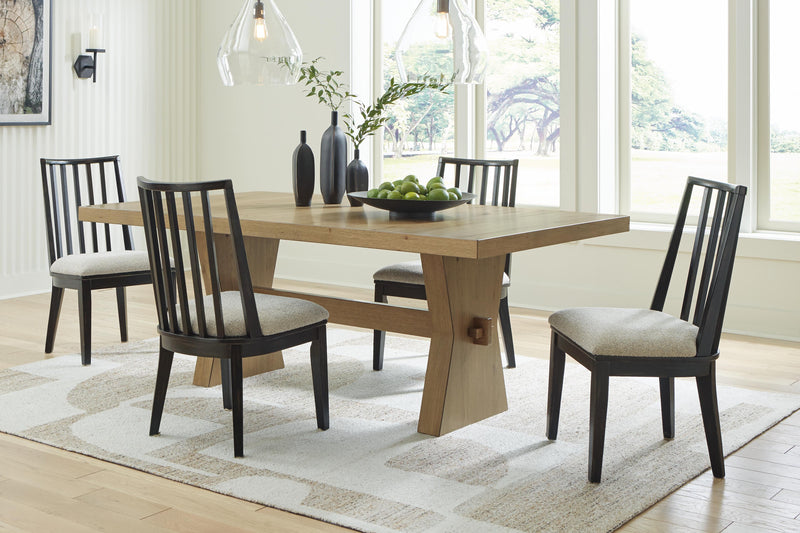
Testing Chairs in Real Life: A Simple Checklist for Proper Sitting
In-person testing is the definitive way to confirm that measurements and ergonomic features work for your specific body. Numbers on a spec sheet provide essential guidance, but the actual experience of sitting reveals whether a chair truly supports your posture or merely checks theoretical boxes.
Start by sitting all the way back in the chair so your spine contacts the backrest. Check whether your feet rest flat on the floor naturally, without reaching or dangling. Your knees should be positioned slightly lower than your hips; if your knees rise above hip level, the seat is too low for your proportions.
Stay seated for at least 5-10 minutes, enough time to notice whether you naturally maintain contact with the backrest or find yourself sliding forward and slouching. The first minute often feels fine; the truth emerges as you settle in. A chair that supports proper sitting should feel increasingly comfortable, not increasingly uncomfortable.
Test different positions that mimic actual dining scenarios. Lean slightly back as if listening to a conversation. Rest your forearms on an imaginary table surface. Turn to talk to someone beside you. Throughout these movements, notice whether the chair still feels balanced and supportive or whether certain positions create pressure points or instability. The chairs designed for real-world use should accommodate the natural variety of dining postures.
At-Home Measurement and Online Shopping Tips
Before ordering chairs online, measure your existing table thoroughly. Note the height from floor to tabletop, the clearance from floor to the underside of any apron or frame, the table’s overall length and width, and the space available from table edge to nearest wall. These home measurements become your filter for evaluating online options.
Compare your home measurements directly to the detailed dimensions in product listings. Focus on seat height first (does it create the right gap with your table?), then seat depth (appropriate for your household’s heights?), back height (adequate support for your meal duration?), and arm height if applicable (will they fit under your table?). This systematic comparison prevents ordering chairs that look right but sit wrong.
Read reviews specifically mentioning comfort during long meals, back support, and structural stability. Style comments are plentiful but less useful for ergonomic assessment. Look for reviewers who mention using chairs daily or hosting dinner parties; their experience predicts yours better than someone who photographed chairs once and moved on.
Consider ordering a smaller quantity first, perhaps two chairs, and testing them before committing to a full dining set. This approach costs additional shipping but prevents the expensive mistake of purchasing six or eight chairs that don’t actually support proper sitting. The test period should include at least one extended meal to reveal any comfort issues that quick testing misses.
Bringing It All Together: Chairs that Encourage Healthy Sitting Every Day
Proper sitting at the dining table requires the alignment of several key elements: correct seat-to-table height that positions your body for relaxed, upright eating; a supportive backrest with lumbar support that maintains your spine’s natural curve; appropriate seat depth that supports thighs without restricting circulation; and a stable frame that provides the solid foundation all other features depend upon.
Comfort isn’t synonymous with softness; it’s the feeling of being supported in an upright, relaxed posture through everyday meals and special occasions alike. The most comfortable dining chairs hold you in position rather than letting you sink, guide your spine rather than allowing it to collapse, and remain stable year after year rather than developing the wobbles that make proper sitting impossible.
Prioritize ergonomics and stability first when selecting chairs. Once you’ve identified options that support proper sitting, refine your choices based on personal style, color, material preferences, and visual harmony with your dining area. A chair that matches your interior design perfectly but leaves you with an aching back after every meal fails its primary function. Start with bodies, then consider aesthetics; your back will thank you for years of comfortable dining.
Get Your Dining Room Furniture at Coastal Roots Furniture And Mattresses Today

Your dining room is where meals, conversations, and everyday moments are shared. At Coastal Roots Furniture and Mattresses, our dining room furniture collection includes tables, chairs, and complete sets designed to fit your space and lifestyle. Each piece is selected for durability, comfort, and practical use to help create a welcoming dining area.
Explore our dining room furniture selection today and find the right pieces for your home. Whether you’re updating your current setup or furnishing a new dining space, Coastal Roots Furniture and Mattresses offers options that combine style, functionality, and lasting quality.