
What Outdoor Furniture Materials Last Longest?
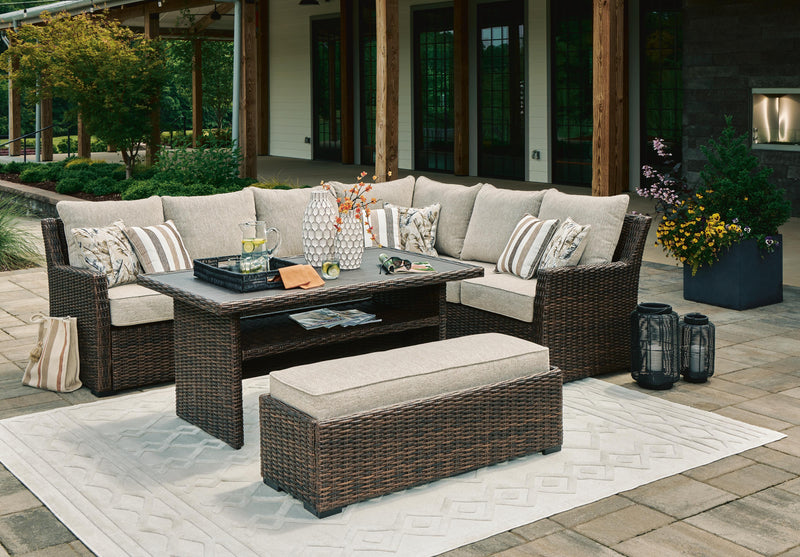
Investing in outdoor furniture means thinking beyond this season. The right furniture materials can serve your outdoor space for decades, while poor choices might leave you shopping again in just a few years. Understanding which outdoor furniture materials last longest helps you make smarter decisions that pay off over time.
Using different materials in outdoor furniture can enhance both durability and aesthetic appeal. Mixing materials like teak, wicker, metal, and plastic allows for a customizable look, and it's important to understand how various materials perform in different weather conditions.

Quick Answer: Longest-Lasting Outdoor Furniture Materials
When it comes to durable outdoor furniture, a few durable materials consistently outperform the rest. Teak wood and other dense tropical hardwoods lead the pack at 25–50+ years when maintained. High-density polyethylene (HDPE) lumber follows closely at 20+ years. Stainless steel delivers 20–30 years of service, while quality aluminum furniture typically lasts 15–20 years with basic care.
The most durable outdoor furniture materials include teak wood, powder-coated aluminum, HDPE lumber, and stainless steel.
Climate, construction quality, and maintenance dramatically affect these ranges. A premium teak piece in a moderate climate can outlast a low-grade plastic chair in coastal conditions by decades. Similarly, neglected wood that could last 25 years might fail in under 8 years without proper care.
Best material choices by environment:
-
Coastal areas: aluminum, HDPE, teak
-
High-UV desert regions: HDPE, aluminum, dense hardwoods
-
Cold freeze-thaw climates: HDPE, aluminum, teak
-
Hot-humid tropical: aluminum, HDPE, teak, quality synthetic wicker
The sections below compare how each material performs against real outdoor conditions, sun, rain, humidity, wind, and cold.
How to Judge If an Outdoor Material Will Last
The same material can last very different lengths of time depending on its properties and your environment. A steel chair that lasts 20 years in Arizona might rust through in 8 years near the ocean.
Key durability factors to evaluate:
-
Weather resistance: Materials labeled as weather-resistant are designed to withstand various weather conditions, including moisture, UV rays, and temperature fluctuations, making them suitable for all-season outdoor use.
-
Moisture and rot resistance: Materials that repel water maintain structural integrity; absorptive materials deteriorate from within
-
UV stability: Quality outdoor materials incorporate UV inhibitors to prevent brittleness and fading
-
Structural strength: Dense hardwoods, cast aluminum, and stainless steel resist sagging and joint failure
-
Corrosion resistance: Aluminum forms protective oxide layers naturally; steel requires coatings
-
Maintenance accessibility: Low-maintenance materials often outlast high-maintenance options in real-world use
When investing in quality outdoor furniture, think in terms of at least a 10–15 year horizon. This timeframe allows premium materials to demonstrate their value through minimal replacement needs.
Weather, Climate, and Exposure
Local climate is the single most influential factor determining how long your outdoor patio furniture lasts. Your specific conditions, hot/dry, hot/humid, coastal, cold/snowy, or moderate, should drive material selection.
-
Full sun vs. partial shade: Direct sunlight accelerates UV degradation in synthetics, fades fabrics faster, and causes metal surfaces to reach uncomfortable temperatures
-
Constant dampness and freeze-thaw cycles: Wood swells and checks with moisture cycling; water penetrating into the grain expands when freezing, cracking wood from within
-
Salt air and coastal conditions: Sodium chloride particles settle on metal surfaces, accelerating oxidation dramatically. Unprotected steel develops visible rust within weeks near oceans
Climate-specific recommendations appear later in this article to simplify your material choice.
Maintenance and Care Requirements
Low-maintenance materials typically look better longer in practice, even if some high-maintenance woods can theoretically outlast them. Many homeowners skip maintenance tasks after the first few years, making this factor crucial.
-
Hardwoods require annual or semi-annual oiling/sealing to maximize lifespan
-
Aluminum and HDPE need only occasional cleaning with soap and water
-
Neglected maintenance drastically reduces lifespan: unsealed wood in rainy climates can fail in 5–7 years versus 25 years when sealed
-
Covers and off-season storage can add 30–50% to furniture's lifespan across all material types
Realistic maintenance intervals matter. Re-oil teak once or twice yearly to preserve its golden color. Inspect steel furniture each spring for rust spots requiring touch-up.
Comfort, Weight, and Everyday Use
The most durable outdoor furniture material still needs to be comfortable and practical for everyday use.
-
Weight and stability: Heavy wrought iron stays put in strong winds; lightweight aluminum furniture may need anchoring in coastal areas
-
Surface temperature: Metal and dark composites in direct sunlight can exceed comfortable touch temperatures; cushions or shade help
-
Frame flex and joint quality: Thick-walled materials resist the creaking and play that develops in cheap construction over time
Outdoor Patio and Dining Furniture Considerations
When choosing outdoor patio and dining furniture, it’s important to balance durability, style, and comfort to create an inviting outdoor living space that stands up to the elements. The best outdoor furniture materials, such as teak wood, stainless steel, and resin wicker, are designed to withstand harsh weather conditions, including direct sunlight, heavy rain, and extreme temperatures. These durable outdoor furniture options offer long-lasting performance with minimal upkeep, making them ideal for busy homeowners who want to enjoy their outdoor space without constant maintenance.
Aesthetic appeal also plays a key role in selecting the right pieces. Wrought iron furniture, for example, brings timeless elegance and substantial weight, making it perfect for windy patios and classic outdoor dining areas. On the other hand, plastic outdoor furniture offers a lightweight, low-maintenance, and budget-friendly solution that’s easy to move and clean, great for families or those who frequently rearrange their outdoor patio setup.
When evaluating furniture materials, consider how each option will complement your outdoor space and meet your lifestyle needs. Resin wicker provides the look of natural rattan outdoor furniture with superior weather resistance, while stainless steel and iron furniture deliver modern or traditional style with exceptional strength. By prioritizing quality outdoor furniture materials that offer both weather resistance and visual appeal, you can create an outdoor patio or dining area that remains beautiful and functional through every season, even in the face of harsh weather and direct sunlight.
Longest-Lasting Wood for Outdoor Furniture
Dense hardwoods have historically been favored for long-lasting outdoor furniture because of their natural oils, tight grain, and structural strength. Among wood types, teak is the gold standard for longevity, while eucalyptus, acacia, and cedar provide varying lifespans at lower costs.
All outdoor wood furniture requires some degree of care. Lifespan easily doubles when the finish and hardware receive regular maintenance.

Teak and Other Premium Hardwoods
Teak wood is widely regarded as the longest-lasting outdoor wood. Its high natural oil content repels water and pests, while its fine grain prevents moisture penetration. Teak’s proven performance on boats and outdoor benches spans generations.
-
Typical lifespan: 25–50+ years when maintained; still 15–25 years if mostly neglected
-
Color evolution: Changes from golden brown to silvery gray over time; optional oiling slows this aesthetic change without significantly affecting durability
-
Superior resistance: Outperforms softer woods against rot, insects, and warping due to natural resistance
Other tropical hardwoods like ipe and shorea offer similar density and weather resistance at slightly lower price points. These premium hardwoods share teak’s characteristics: natural oils providing inherent protection, tight grain preventing water penetration.
Premium hardwoods are heavier and more expensive upfront, but offer the best long-term value for buyers wanting outdoor furniture that lasts several decades.
Eucalyptus and Acacia
Eucalyptus and acacia occupy the mid-range among hardwoods, more affordable than teak but capable of lasting a decade or more outdoors with proper care.
-
Eucalyptus: Good weather resistance, relatively sustainable as a fast-growing species, typical lifespan around 10–15 years with yearly sealing
-
Acacia: Dense with attractive grain but more sensitive to moisture swings; lasts 8–12 years outdoors if sealed and kept off constantly wet ground
-
Both woods, gray and develop hairline cracks if left completely unfinished in harsh weather conditions
Regular sealing (once yearly or as needed) and using covers over winter significantly extend their lifespan. The trade-off is clear: lower cost than teak but shorter service life.
Cedar and Other Softwoods
Cedar can last surprisingly long outdoors for the price, though it’s not the longest-lasting material overall. Its natural beauty appeals to many homeowners.
-
Natural resistance: Cedar’s aromatic compounds resist insects and rot, with lifespans around 10–20 years in moderate climates when sealed
-
Softwood limitations: Dents more easily than hardwoods, requiring more frequent refinishing to stay attractive
-
Best placement: Covered patios and partially sheltered spots rather than fully exposed coastal decks for maximum lifespan
Cedar represents a good balance of cost and durability but ranks below teak and HDPE in ultimate longevity. Pine and spruce require more frequent replacement (5–8 years without maintenance) and demand consistent care, making them economically inefficient long-term.
Metal Outdoor Furniture: Which Metals Last Longest?
Metals rank among the most durable outdoor furniture materials when protected from corrosion. Rust-resistant metals are especially important for humid, rainy, or coastal climates, where moisture and salt can accelerate corrosion. Aluminum and stainless steel are top performers for weather resistance, while traditional steel furniture and iron furniture can last decades with proper maintenance but prove more vulnerable to rust. Wrought iron furniture requires a high-quality weather-resistant finish to prevent rust. Picnic tables, often used in outdoor settings like porches, decks, and gardens, benefit from durable, weather-resistant materials to ensure longevity.

Aluminum: Lightweight and Rust-Free
Aluminum furniture naturally resists rust through the formation of a protective oxide layer, making it excellent for humid and coastal climates. Quality finishes extend this advantage further.
-
Typical lifespan: 15–20 years or more with basic care
-
Advantages: Lightweight for easy moving, won’t rust through, low maintenance (washing and occasional touch-up of finish chips)
-
Drawbacks: Can dent under impact; dark-colored metal gets hot in full sun exposure, requiring cushions or shade
Powder-coated finishes protect aluminum surfaces and extend lifespan significantly. Aluminum frames paired with sling fabric or synthetic wicker typically outlast the fabric components; the frame rarely fails first.
Stainless Steel
Stainless steel offers extremely durable construction with very good rust and tarnish resistance, particularly in higher grades designed for outdoor use.
-
Long potential lifespan: 20–30 years if welds and finishes are executed well and surfaces receive periodic cleaning
-
Benefits: High strength enables slim, modern designs with excellent load-bearing capacity
-
Considerations: Heavier than aluminum, more expensive, still benefits from regular cleaning in coastal areas to prevent tea staining
Not all stainless steel is equal; outdoor-appropriate grades (316 series or higher) provide significantly better corrosion resistance. Stainless steel works best for buyers wanting modern aesthetics and long structural life who don’t mind the substantial weight.
Steel and Wrought Iron
Traditional steel and wrought iron can last decades but require active rust prevention. These classic materials demand commitment.
-
Strengths: Very heavy and stable in strong winds, classic silhouettes for outdoor dining sets and benches
-
Risks: If powder-coated or painted surfaces chip without repair, rust spreads and shortens lifespan substantially
-
Realistic lifespan: 10–25+ years, depending on climate and maintenance diligence
These metals fare best in drier climates or under covered patios with limited rain exposure. Seasonal inspection each spring, sanding, priming, and repainting rust spots, prevents minor damage from becoming major structural failure.
Synthetic and Composite Materials that Go the Distance
Modern synthetic materials solve many durability problems of natural materials with excellent weather resistance. Many synthetic materials are also designed to resist mold, which is important for outdoor use. High-density polyethylene poly lumber, quality resin, and all-weather wicker rank among the longest-lasting options for low-maintenance outdoor furniture.
Quality levels vary dramatically. Cheap plastic furniture may crack in a few years, while dense HDPE can still look good after 20+ years. Resin wicker needs to be UV-resistant and of high density for longevity. Glass fiber reinforced concrete (GRC) is also highly durable and can withstand various environmental stressors, making it suitable for outdoor use.

HDPE Poly Lumber and Recycled Plastic
HDPE poly lumber, made from recycled plastic, is engineered to withstand moisture, cracking, rotting, and insect damage. This material represents one of the most durable outdoor furniture options available.
-
Typical lifespan: 20+ years in year-round outdoor use, including coastal and snowy climates; 30+ years when protected
-
Color integration: Color runs throughout the material, providing strong fade resistance against UV and hiding scratches
-
Minimal upkeep: No sealing, painting, or oiling required, occasional cleaning only
HDPE is often heavier than standard plastic outdoor furniture, which helps stability in windy locations. The slightly “plastic” appearance represents the main aesthetic trade-off. HDPE performs especially well near pools, on docks, and in coastal areas where other materials degrade faster.
Resin and Other Plastics
Lower-density molded plastic and resin furniture differ from heavier HDPE poly lumber in durability and lifespan expectations.
-
Lifespan range: 5–15 years, depending on quality and climate; cheaper versions chalk, fade, or become brittle sooner
-
Advantages: Low cost, very low maintenance, resistance to moisture and rot
-
Limitations: More prone to being blown around, can warp under heavy loads or intense heat, and fades faster than HDPE
Look for UV-stabilized, thicker-walled designs if longevity matters. Quality resin furniture can serve as a solid 10-year solution with minimal effort.
All-Weather (Synthetic) Wicker
Synthetic wicker, often woven over metal frames, offers the airy look of natural wicker and rattan outdoor furniture with far better weather resistance than natural materials.
-
Construction: Polyethylene or similar synthetic fibers resist UV fading, cracking, and moisture damage
-
Typical lifespan: 7–15 years for quality resin wicker in regular outdoor conditions
-
Frame importance: Aluminum frames provide better corrosion-resistant performance than steel frames for overall durability
Care recommendations include occasional cleaning, avoiding dragging across rough surfaces, and using covers in harsh winters. Cheap synthetic wicker can split and fade in only a few seasons, so construction quality matters greatly. Choose materials carefully.
Fabrics and Cushion Materials That Last Outdoors
Even if frames last decades, cushions and fabrics often wear out first. Choosing the right textiles extends the overall furniture appearance and comfort.
Outdoor Fabrics: Acrylic, Polyester, Olefin
Quality outdoor fabrics share key properties: UV resistance, mildew resistance, and colorfast dyes. Solution-dyed acrylic fabrics offer excellent fade resistance since color is integrated into fibers during manufacturing.
-
Acrylic: Good UV and mildew resistance with a soft feel
-
Polyester: Similar performance with a different texture
-
Olefin: Superior water repellency, sheds moisture quickly
High-quality outdoor fabrics remain serviceable for 5–10 years, especially if you store cushions dry when not in use. Cleaning with mild soap and water and fully drying prevents mildew on the inner foam. Zipper-removable cushion covers extend perceived furniture life by enabling easy replacement or laundering.
Which Outdoor Furniture Material Lasts Longest in Your Climate?
The “best” and “longest-lasting” material depends heavily on your region. Here’s how to choose materials based on where you live.

Hot and Humid Climates
Moisture, mold, and UV rays threaten outdoor elements in tropical or subtropical environments.
-
Recommended: Aluminum, teak, dense hardwoods, HDPE, high-quality synthetic wicker
-
Avoid: Unprotected steel, low-grade plastics that rust or become brittle
-
Fabric choice: Mold-resistant, quick-dry cushions with good airflow around furniture
With basic care, recommended materials achieve 15–25+ years in humid conditions.
Coastal and Salt-Air Environments
Salt corrosion dominates durability challenges near oceans. Direct contact with salt spray accelerates degradation dramatically.
-
Strongly recommended: Aluminum with quality finishes, HDPE, and well-maintained teak
-
Use cautiously: Steel and wrought iron require constant rust treatment and off-season storage
-
Maintenance tip: Rinse metal surfaces periodically to remove salt deposits
HDPE and chunky wood styles resist both wind and salt damage better than lightweight thin-wall metals. Expect 15–20+ years from recommended materials left outdoors year-round.
Hot, Dry, and High-Sun Regions
UV radiation and extreme temperatures stress outdoor furniture differently than moisture-heavy climates.
-
Recommended: UV-stable HDPE, aluminum with quality coatings, dense hardwoods like teak
-
Warning signs: Low-grade plastics, chalk and crack; fabrics fade without UV-resistant dyes
-
Shade matters: Umbrellas or pergolas prevent surfaces from becoming uncomfortably hot
Materials with shade protection can last 30–50% longer than fully exposed pieces.
Cold, Snowy, and Freeze–Thaw Climates
Moisture penetration combined with freezing creates unique stress. Water expands when frozen, cracking materials from within.
-
Recommended: HDPE, aluminum, dense hardwoods (teak) that tolerate extreme temperatures
-
Avoid leaving exposed: Thin, brittle plastics, poorly sealed wood under heavy snow loads
-
Best practice: Store cushions indoors; cover or store furniture sets in late autumn
Seasonal storage versus year-round exposure can mean the difference between 15-year and 25-year lifespans.
Moderate and Mixed Climates
With four mild seasons and moderate rainfall, most quality materials perform well in the long term.
-
All viable choices: Cedar, eucalyptus, aluminum, synthetic wicker, HDPE
-
Priority factors: Style, comfort, and maintenance preference matter more since durability differences are less extreme
-
Storm protection: Using covers during heavy rain periods maximizes any material’s lifespan
Expect 15–25+ years for quality pieces with basic care in moderate climates.
Storing Outdoor Furniture During the Winter
Properly storing your outdoor furniture during the winter months is essential for protecting your investment and ensuring your outdoor living space looks its best year after year. Before winter sets in, start by cleaning all outdoor furniture thoroughly, removing dirt, debris, and moisture, which helps prevent mold, mildew, and long-term damage. Allow each piece to dry completely before storage to avoid trapping moisture, which can harm materials like teak wood and wicker rattan.
For wood furniture such as a teak patio set, consider applying a waterproof sealant to enhance its natural resistance to moisture and harsh weather conditions. Store teak wood pieces in a covered area, such as a garage or shed, or use high-quality, breathable furniture covers to shield them from snow and ice. Wicker rattan and resin wicker furniture should also be stored in a dry, protected space, with covers that allow airflow to prevent condensation and mold growth.
Don’t forget about cushions and upholstery; store these indoors or in a dry, ventilated area to keep them fresh and ready for spring. Regular maintenance, such as tightening hardware and checking for signs of wear, will further extend the lifespan of your patio set and other outdoor furniture. By taking these simple steps and practicing proper care, you’ll ensure your outdoor furniture weathers the winter in top condition, ready to enhance your outdoor living space for many seasons to come.
Practical Tips to Make Any Outdoor Furniture Last Longer
Simple habits add years to furniture's life regardless of material:
-
Use fitted furniture covers during off-seasons and heavy storms, which reduces UV exposure by 80–90%
-
Clean thoroughly at the start and end of each outdoor season
-
Inspect periodically for rust spots, loose joints, and worn finishes
-
Store cushions indoors for winter to prevent moisture saturation
-
Elevate wood furniture off wet ground to prevent moisture wicking
-
Tighten hardware annually, freeze-thaw cycles loosen bolts and screws
These practices can effectively add 5–10 years to furniture lifespan across all common materials.
Choosing the Best Long-Lasting Material for Your Space
The most durable outdoor furniture materials are teak and dense hardwoods, aluminum and stainless steel, HDPE poly lumber, and high-quality synthetic wicker. Each excels in different conditions.
-
Match materials to your climate, level of sun exposure, and willingness to perform regular maintenance
-
Consider trade-offs: Wood offers natural beauty but requires care; metals provide strength but vary in weight; plastics minimize maintenance but differ in aesthetics
-
Plan for 10–15 years minimum, investing in fewer, highly durable pieces beats frequent replacements
Choosing the right material for your outdoor living space now creates an outdoor space that stays attractive and functional for decades. Whether you prioritize the natural warmth of teak furniture, the corrosion resistance of aluminum, or the zero-maintenance appeal of HDPE, quality construction matters as much as material choice. Select wisely, maintain consistently, and your patio set will serve you well into the 2030s and beyond.
Get Outdoor Furniture from Coastal Roots Furniture And Mattresses Today
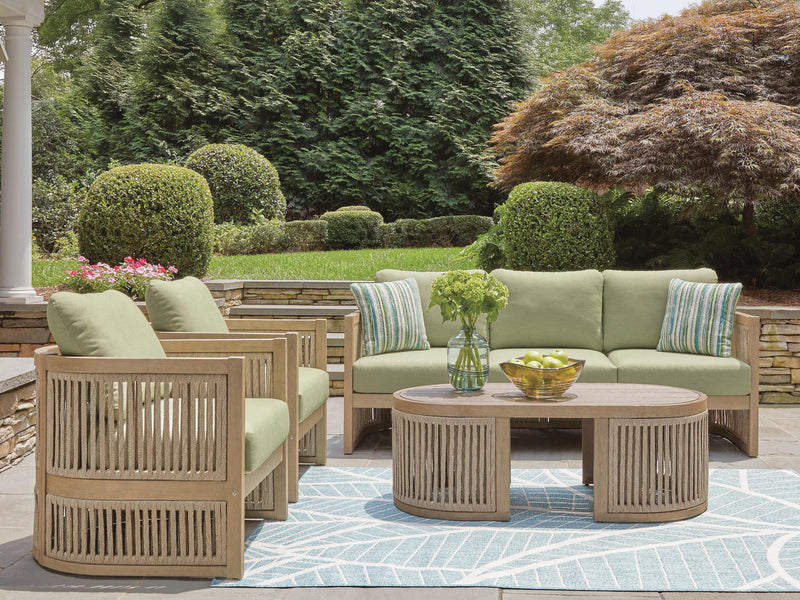
Refresh your patio, deck, or backyard with outdoor furniture from Coastal Roots Furniture and Mattresses today. Designed for comfort, durability, and style, our outdoor furniture helps you create a space perfect for relaxing, entertaining, or spending quality time with family and friends. With versatile options that fit any outdoor setting, transforming your space has never been easier.
Now is the time to upgrade your outdoor area. Get outdoor furniture from Coastal Roots Furniture and Mattresses now and enjoy a backyard, patio, or deck that’s both inviting and functional for every season.