
Why Dining Furniture Should Match How Often You Eat at Home

Most people choose their dining table and chairs based on what looks good in a showroom or what matches their Pinterest board. That approach misses the point. The real question isn’t whether your dining chairs match each other; it’s whether your furniture matches how you actually live.
Think about the last month. Did you eat at your dining table five nights a week, or did most meals happen on the sofa with takeout containers? Do you host dinner parties regularly, or does your dining room only see action at Thanksgiving? These patterns matter far more than whether your sideboard shares the exact same wood tones as your table.
In this guide, you’ll learn how to match your dining furniture to your actual eating habits. We’ll cover everything from daily diners who need bulletproof surfaces to weekend hosts who want flexibility to people whose formal dining rooms sit empty 350 days a year. By the end, you’ll know exactly what kind of table, chairs, and storage pieces make sense for the life you actually live, not the one in a catalog.

How Often Do You Really Eat at Home? (Self-Assessment)
Before you start browsing dining sets or debating whether mixed chairs work in your space, take an honest look at your eating-at-home habits over the last six to twelve months. Most of us overestimate how often we use our dining area and underestimate how much time meals spend happening elsewhere in the house.
Here’s a quick framework to identify your dining lifestyle:
-
Cook most nights (5–7 dinners/week): Your table sees heavy daily traffic, possibly including breakfast, homework, and craft projects.
-
Split between home and eating out (2–4 dinners/week): You use the table regularly but not constantly, often for intentional family meals or weekend cooking.
-
Mostly eat out or on the sofa (0–2 dinners/week): The dining room is more of a pass-through space, with occasional meals when you feel like sitting properly.
-
Entertain in larger groups at least once a month: Hosting matters as much as (or more than) everyday meals when it comes to furniture choices.
Each of these patterns demands different things from your furniture. High-frequency use calls for durability and easy cleaning. Moderate use needs flexibility and style. Low-frequency use can prioritize visual drama over indestructible finishes.
Try tracking a typical week. Note how many meals actually happen at the dining table versus the kitchen island, breakfast bar, or living room sofa. That data will guide every furniture decision from here.
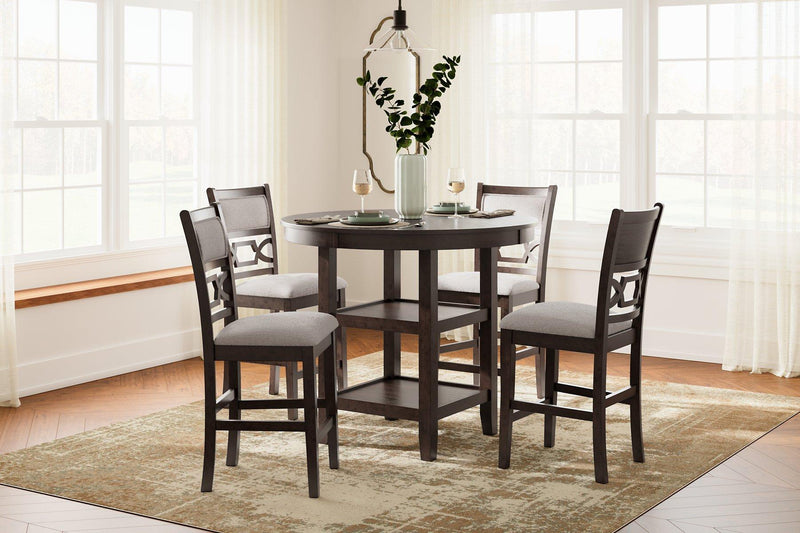
If You Eat at Home Almost Every Day (High-Frequency Use)
High-frequency diners are households that eat at the table five to seven nights a week, often with breakfast thrown in, homework sessions in the afternoon, and the occasional craft project or game night. If this sounds like your house, your dining furniture takes a beating, and it needs to handle real life without showing every scratch and spill.
For these homes, comfort and durability outrank pure aesthetics. That doesn’t mean your dining space has to look institutional or boring. It means your furniture choices should start with “can this survive my kids and daily use” before moving on to “does this create visual interest.”
The good news is that well-made, practical furniture can still look beautiful. It just requires thinking about materials, finishes, and construction before falling in love with a delicate high-gloss showpiece.
Best Table Choices for Everyday Dining
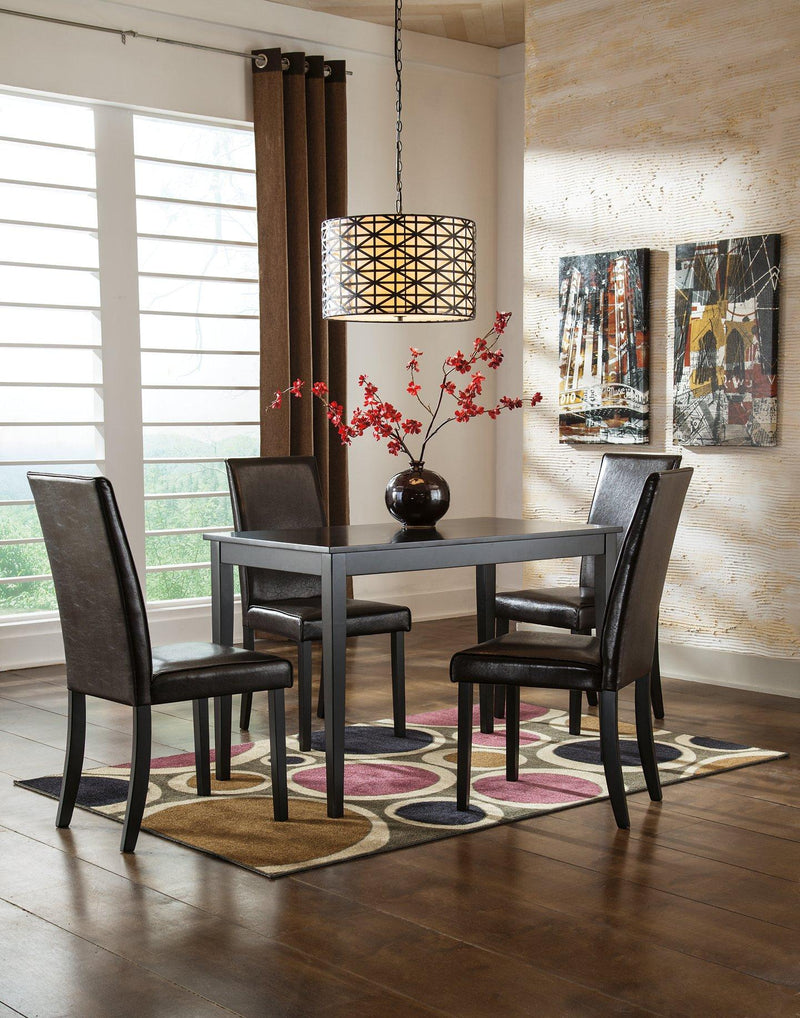
For daily use, your dining table needs to handle repeated contact with plates, elbows, hot dishes, and the occasional wine spill. Here’s what works:
-
Solid wood or quality veneer tables with tough finishes stand up to years of daily meals. Avoid delicate high-gloss lacquer or untreated softwoods; they’ll show damage within months.
-
Rectangular or oval tables around 160–220 cm long work well for families of four to six who regularly eat together. Look for extension leaves if you host larger gatherings occasionally.
-
Mid-tone finishes that hide crumbs and light scratches outperform pristine white gloss or very dark surfaces. Oak, walnut stains, and textured surfaces are forgiving.
-
Rounded corners matter in households with young children. Thick tabletops feel more solid and resist warping better than thin ones.
-
Stable leg designs that don’t wobble are essential when the table gets pushed, leaned on, and used as a homework desk.
Your wood table doesn’t need to match every other piece in the room perfectly. What matters is that it sets a practical tone for a dining space that gets lived in every single day.
Chair Comfort and Materials for Daily Meals
When you sit at the dining table for thirty to ninety minutes every evening, chair comfort becomes non-negotiable. A beautiful but uncomfortable chair is tolerable for a holiday dinner; it’s miserable when you use it 365 days a year.
Here’s what to look for in dining chairs for high-frequency use:
-
Supportive backs and proper seat depth prevent the slouching and shifting that comes from poorly designed seating. Aim for seats deep enough to support your thighs without cutting into the backs of your knees.
-
Seat height of 45–48 cm works for most standard tables, with about 25–30 cm (10–12 inches) between the seat and the underside of the tabletop.
-
Wipeable materials save your sanity. Finished wood, faux leather, and performance fabrics with stain resistance handle daily spills without permanent damage.
-
Removable, washable seat pads are ideal for families with young children who treat mealtimes as contact sports.
Avoid fragile light-colored linens, intricate caning, or delicate upholstery for daily dining. These materials belong in low-frequency formal dining rooms, not spaces where kids eat spaghetti three times a week.
You can mix chair styles if you like the eclectic look, but keep seat heights and widths broadly similar so everyone at the table is comfortable.
Layout and Storage for Everyday Use
High-frequency diners benefit from having everything they need within arm’s reach. If you’re setting and clearing the table twice a day, walking across the house for napkins gets old fast.
Consider these practical layout elements:
-
A sideboard or cupboard near the table stores plates, cutlery, napkins, and placemats for quick access. It doesn’t need to match the dining table perfectly; shared wood tones, similar hardware, or a common leg style create enough connection.
-
At least 90 cm of clearance around the table lets chairs slide back comfortably without hitting walls or other furniture. This matters enormously when people get up and down throughout meals.
-
Robust, easy-clean rugs under the table protect floors from chair scrapes and dropped food. Flatweave or indoor-outdoor options are far more practical than deep-pile carpets that trap crumbs.
Storage pieces in high-use dining rooms should prioritize function. Choose surfaces that can handle a stack of plates, a fruit bowl, or serving dishes rather than delicate display pieces that need constant dusting.

If You Mostly Eat Out but Host on Weekends (Moderate Use)
Moderate-use diners eat at the table one to three times during the week but regularly host friends or family on weekends. Maybe you order in on busy weeknights but cook proper meals when guests come over. Perhaps your dining space doubles as a home office during the week and transforms for Saturday dinner parties.
These homes need flexibility. The table should expand easily for gatherings, and seating should accommodate both everyday family meals and larger groups without requiring furniture rental.
Style also matters more here than in high-frequency homes. When your dining table sits empty and visible much of the week, it becomes part of your living space decor rather than just a functional surface. The table and chairs need to look good even when nobody’s eating.

Flexible Tables for Occasional but Important Meals
Extendable tables are the perfect solution for moderate-use dining rooms. They stay compact during the week and expand for weekend gatherings without requiring you to own two different tables.
Here’s what to look for:
-
Tables with leaves stored inside or separately that can shift from four seats (around 140 cm) to six or eight seats (200 cm or more) when extended.
-
Rectangular or oval shapes for easy chair addition along the sides. Round tables work too, but require larger diameters to seat the same number.
-
Mid-level durability in surfaces. You need resistance to occasional spills and heat from serving dishes, but you can choose slightly more refined finishes than a daily-use table demands.
-
Neutral or timeless finishes that work with changing decor over several years. You’re not replacing this table every season.
In moderate-use dining rooms, the table can act as a visual anchor for the whole space. Matching or coordinating your table with nearby sideboards or shelving creates an intentional, pulled-together look that works whether the room is in “weekday empty” or “weekend party” mode.
Chair Strategies When You Host Guests Regularly
When you entertain frequently, you need enough seating for guests without cramming chairs into storage you don’t have. The solution is a core set of dining chairs plus flexible extras.
Consider this approach:
-
Four to six fixed dining chairs that live around the table full-time, designed for comfort and visual appeal.
-
Two to four stackable or folding chairs are stored in a nearby closet for larger gatherings. These don’t need to be identical to your main set, but they should feel equally comfortable.
-
Head chairs with more personality. Use upholstered chairs or distinctive silhouettes at the table ends to create visual interest, with simpler side chairs along the longer sides.
-
Neutral upholstery on the main set lets you add seasonal personality through cushions or slipcovers without committing to bold patterns permanently.
The key is making sure all seats, including extras, have similar seat heights and comfort levels. Nothing ruins a dinner party faster than a guest stuck in the wobbly, too-low chair while everyone else lounges in comfort.
If You Rarely Use the Dining Room for Meals (Low-Frequency Use)
Let’s be honest: many modern homes have formal dining rooms that serve as pass-through spaces or storage zones rather than actual eating areas. The table might see action on Thanksgiving, Christmas, and a handful of birthday dinners throughout the year. Matching dining sets are often preferred for formal dining rooms or when aiming for a classic aesthetic.
If this describes your dining room, you have different priorities. Furniture can lean toward statement pieces rather than heavy-duty practicality. You’re choosing for visual impact and special occasions rather than daily survival. Matching dining sets provide a solid foundation for decorating choices, making it easier to select wall colors and accessories.
That said, comfort still matters on those occasions when you do use the room. A two-hour holiday dinner on uncomfortable chairs creates lasting negative memories, even if it only happens twice a year. Matching dining sets create a cohesive look that is often preferred for traditional interiors or formal dining rooms, offering a solid foundation for your overall design.

Choosing Furniture When Style Is the Priority
Low-frequency dining rooms are where you can take design risks that would be impractical in an everyday eating space:
-
Bolder table finishes like high-gloss surfaces, dramatic dark stains, or sculptural bases that would show wear in daily use but remain pristine with occasional meals.
-
Statement chairs with unique silhouettes, interesting fabrics, or vintage character. Wear and tear will be minimal, so delicate materials become viable options.
-
Non-matching sideboards and display cabinets that create a curated look, giving the space a collected, personalized feel rather than an obviously purchased-together dining set.
-
Attention-grabbing materials like polished stone, mixed metals, or antique wood might require careful maintenance in a busy room, but they stay beautiful with light use.
In these eclectic dining spaces, visual drama can take priority over indestructible finishes. Just make sure the chairs are reasonably comfortable for those long holiday meals. A matching dining set, on the other hand, often aligns with timeless interior styles that are less likely to go out of fashion.
Consider using this room for additional purposes, such as a work-from-home desk, a hobby space, or a homework zone, so the furniture gets some use between dinner parties. A beautiful table that sits completely unused feels like wasted real estate.
Heavier Use Requires Tougher Materials (And Smarter Matching)
How often you eat at home should directly influence which materials you choose. A table that looks identical to another in a showroom might last decades in one home and fall apart in another, depending entirely on how much use it gets.
The matching question changes, too. In high-use homes, matching finishes matters less than matching durability levels. However, you should avoid mixing wood finishes, as different species of wood can look completely different and overwhelming. Your table and sideboard don’t need to be from the same collection; they need to withstand the same intensity of daily life. Current home interior design trends suggest that matching chairs and tables is becoming less popular.
Mixing materials, such as combining velvet, rattan, reclaimed wood, metal, and fabric, can enhance visual interest and express your personal style, making your dining space more dynamic and unique.
Tables: Surfaces That Can Handle Real Life
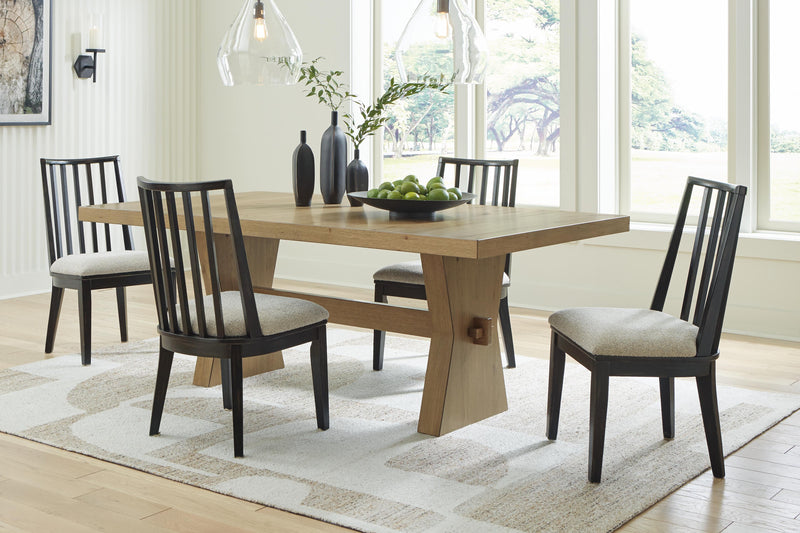
For daily dining, choose surfaces engineered to resist real life:
|
Use Level |
Recommended Materials |
Materials to Avoid |
|---|---|---|
|
High (5-7 meals/week) |
Finished hardwoods with tough sealants, quality veneers, ceramic tops, tempered glass |
Untreated softwoods, high-gloss dark finishes, and delicate stone |
|
Moderate (2-4 meals/week) |
Mid-range hardwoods, most veneers, and protected stone tops |
Very light or very dark finishes that show every mark |
|
Low (occasional use) |
Polished stone, high-gloss lacquer, antique woods, delicate finishes |
None, you can choose what you love |
Before buying, look for clear product details on scratch resistance, heat tolerance, and cleaning methods. A beautiful table that requires special cleaners and immediate spill removal doesn’t belong in a home with toddlers and daily family dinners.
When coordinating your dining table with storage pieces, match durability levels rather than obsessing over identical finishes. A tough sideboard and tough table that share general wood tones work better than a perfectly matching set, where one piece can’t handle your lifestyle.
Chairs: Fabrics, Finishes, and Cleanability
Chair upholstery follows similar logic:
-
For daily use: Easy-wipe seats, darker neutrals, and performance fabrics marketed as stain-resistant or washable. Removable covers and machine-washable seat pads save money on professional cleaning.
-
For occasional use: Velvet, light linens, and delicate weaves become viable options. Just know they’re best reserved for dry, careful use.
-
For mixed households: Combine wood chairs for everyday meals with a couple of upholstered host chairs at the ends. This gives you practicality most of the time and a touch of luxury for guests.
When choosing fabrics, consider mixing different textures, such as smooth leather, rough linen, or soft velvet, to create visual interest, contrast, and a layered look in your dining space.
If you can get fabric samples before purchasing, test them with common spills, coffee, red wine, and tomato sauce. How the fabric responds tells you whether it belongs in your household.
Comfort and Proportion: More Important the More You Sit
A general rule is that seating comfort and proper proportions are essential for an enjoyable dining experience. Research shows that seating comfort directly influences how long people stay at a table and how much they enjoy the experience. In commercial settings, comfortable diners spend significantly more time and money than those in uncomfortable seating. The same principle applies at home; comfortable furniture encourages lingering over meals and actual conversation rather than rushing to escape.
The more often you use your dining furniture, the more critical dimensions and ergonomics become. A beautiful but uncomfortable chair is tolerable for a once-a-year dinner. It’s genuinely frustrating when you use it every single evening. As a general rule, ensure there is enough space between chairs and the table for ergonomic comfort and aesthetic harmony.
When considering table shapes, round tables promote inclusion and are ideal for small families or close-knit dinners.

Key Measurements for Everyday Comfort
If you eat at home frequently, these numbers matter:
-
Seat height: Aim for 45–48 cm, which works with most standard dining table heights.
-
The gap between the seat and the tabletop underside: 25–30 cm (10–12 inches) provides comfortable clearance for legs without making the table feel distant.
-
Width per person: Allow at least 60 cm along each side of the table so diners aren’t cramped. For very comfortable spacing, go up to 70 cm per seat.
-
Chair back height: Backs should sit at least 5 cm above the tabletop for proper support and visual balance.
-
Seat depth: Deep enough to support your thighs (around 40–45 cm) but not so deep that shorter people can’t rest their backs against the chair back.
Following interior design principles for these proportions not only enhances comfort but also improves the overall look and cohesion of your dining space.
People who use the dining table for work or homework should prioritize chairs with upright backs rather than deep lounge-style seats. And if you spend long stretches at the table every day, try different chairs in person before buying. Your body will thank you.
Head Chairs and Chair Styles: Making a Statement at the Table
When it comes to designing a dining space that feels both inviting and unique, the choice of head chairs and chair styles can make all the difference. In traditional formal dining rooms, matching dining chairs and a matching dining table have long been the standard, creating a sense of order and elegance. However, many homeowners today are embracing a more personal approach by mixing and matching different chair styles to reflect their own taste and lifestyle.
Head chairs, those placed at the ends of the table, offer a perfect opportunity to make a statement. Whether you opt for upholstered chairs with bold fabrics, modern chairs with sculptural lines, or vintage finds with character, these seats can anchor the dining area and set the tone for the entire room. Mixing head chairs with simpler side chairs adds visual interest and breaks up the monotony of a perfectly matched set, making the space feel more lived-in and welcoming.
Mixing and matching doesn’t mean sacrificing cohesion. You can create a harmonious look by choosing chairs that share a common element, such as a consistent colour palette, similar wood tones, or related materials. For example, pairing a wood table with upholstered head chairs and sleek side chairs in coordinating shades can tie the whole dining area together. This approach works especially well in modern interiors, where eclectic combinations are celebrated for their personality and warmth.
Ultimately, the right dining chairs, whether matching or mixed, should reflect how you use your space. For formal occasions, matching sets can create a sense of occasion, while a blend of different chair styles can make everyday meals and dinner parties feel more relaxed and inviting. By thoughtfully selecting head chairs and experimenting with mixing styles, you can transform your dining room into a space that feels curated, comfortable, and uniquely yours.
Matching vs. Mixing: Let Frequency of Use Guide Your Style Rules
The debate over matching dining sets versus mixing different styles has strong advocates on both sides. Choosing matching dining tables and a matching table with chairs can create a cohesive, traditional look, and a dining table match with a sideboard can make the space feel unified and classic. However, many interior designers prefer eclectic or mismatched styles and often advise against uniformly matching furniture, as this approach adds personality and a more contemporary, timeless feel to the dining room.
Here’s the truth: how often you dine at home should guide which approach works for you. Neither is universally correct; it depends on your lifestyle, time, and personal preference. When mixing chair styles, consider the visual balance with other chairs in the space to avoid repetition and achieve a harmonious look. Today's design trends favor curated spaces that look collected over time rather than showroom-perfect.

When a Matching Set Makes Sense
Matching sets get a bad reputation as boring or unimaginative, but they solve real problems for many homeowners:
-
Time efficiency. Busy households without time to curate individual pieces can buy a cohesive set and move on with life. Not everyone wants furniture shopping as a hobby.
-
Guaranteed proportions. Matching sets typically ensure correct relationships between table height and chair height, eliminating the guesswork of mixing pieces.
-
Visual calm in small spaces. A unified set makes compact dining areas feel less cluttered, especially when the room is used multiple times daily.
-
Foundation for personalization. You can still add personality through lighting, artwork, a rug, or table linens without swapping furniture pieces.
For high-frequency diners, matching sets with practical finishes, wipeable seats, and hardwearing surfaces offer an efficient path to a functional dining room feel that works day after day.
When to Mix and Match for a Lived-In Look
Mixing styles creates dining spaces with more personality and a sense of having been collected over time rather than purchased in one shopping trip. If you prefer this approach:
-
Keep at least one unifying element across all pieces. This might be a consistent colour palette, similar wood tones, matching metal finishes, or a shared overall shape language.
-
Start with two chair types rather than a fully eclectic mix. Try one style on the sides and another at the head chairs. This creates visual interest without chaos.
-
Mix textures and materials effectively by combining surfaces like velvet, rattan, reclaimed wood, metal, and fabric. Mixing materials adds depth and a richer, more personalized dining room environment.
-
Match comfort levels and seat heights even when designs vary. Modern chairs next to antique chairs can work beautifully as long as everyone at a full table is equally comfortable.
-
Use a round table if mixing many chair styles; circular shapes help different chairs feel more unified than rectangular tables.
When considering color and materials, remember that warm wood tones and red fabrics can stimulate appetite and create a welcoming atmosphere.
Low-frequency users can be more adventurous with eclectic combinations and dramatic materials since daily wear isn’t a concern. High-frequency diners who want to mix should lean toward practical materials in their varied pieces. Modern interiors can absolutely feature mixed chairs, but those chairs still need to survive daily meals.
Sideboards, Benches, and Extra Pieces: Do They Need to Match Too?
Your dining room likely contains more than just a table and chairs. Sideboards, display cabinets, benches, and extra seating all play roles in how the space functions and looks. The 'dining table match' question extends to these pieces, too: Should your sideboard or bench match your dining table? Matching creates a cohesive and traditional look, while mixing pieces adds personality and creativity, aligning with modern curated styles. The answer depends on how often you use the room.
Storage and flexible seating become more important the more meals actually happen at home. A sideboard stuffed with serving dishes you use weekly is a different piece than a display cabinet for china that comes out once a year.

Coordinating Storage With Your Dining Habits
For high-frequency diners, storage needs to be practical first and pretty second:
-
Choose sideboards with durable tops that can handle stacks of plates, a fruit bowl, or hot serving dishes set down in a hurry.
-
Create a visual connection without exact matching by sharing at least one element with the table, similar undertones in the wood, related leg shapes, or coordinating hardware finishes. Coordinating storage pieces according to interior design principles enhances the overall look and feel of the dining space, making it more cohesive and visually appealing.
-
Prioritize generous storage for everyday dishes, cutlery, napkins, and placemats that you access daily.
For low-frequency rooms, storage can be more about display:
-
Use a standout sideboard or cabinet as a focal point, even if it contrasts strongly with the table. These rooms can handle more design tension.
-
Open shelving or glazed cabinets suit people who host frequently and want glassware or serving pieces visible as part of the decor.
-
Prioritize pieces that look beautiful when closed rather than purely functional storage.
For scale, sideboards generally look balanced at 60–75 percent of table length and around 76–91 cm (30–36 inches) in height.
Using Benches and Extra Seating Wisely
Benches offer practical flexibility for families:
-
Kids and casual meals work well with benches, which can squeeze in an extra seat when needed without the formality of individual chairs.
-
Benches pair best with high or moderate use rooms where easy slide-in seating matters more than prolonged sitting comfort.
-
Matching or coordinating cushions connect a bench visually with surrounding chairs, creating a cohesive look even with different seating types.
For occasional entertainers who need more chairs only a few times a year, stackable or folding options stored in a nearby closet make more sense than a permanent bench. Just ensure clear pathways around all seating, so guests can move comfortably when the table is full.
Putting It All Together: Choose Furniture for the Life You Actually Live
The core message is simple: let your real eating habits determine how you choose and match your dining furniture. Design trends come and go. Your daily life stays constant.
If you eat at home almost every day, prioritize durability, comfort, and easy maintenance over visual perfection. Choose materials that forgive spills and surfaces that hide scratches. Make sure your chairs feel as good on day 500 as they did on day one.
If you host on weekends but eat out during the week, invest in flexibility. Extendable tables, a mix of permanent and storable seating, and surfaces that balance style with reasonable practicality will serve you well.
If your dining room mostly sits empty, go ahead and choose drama. Statement pieces, delicate finishes, and bold design risks make sense when daily wear isn’t a factor; just keep the seats comfortable for those special occasions.
Before purchasing anything new, revisit your dining routine. Track a week of meals. Measure your space. List your priorities in order: durability, comfort, style, flexibility, and let that list guide your decisions.
Start with the table and how often it will actually be used. Build out the right dining chairs around that foundation. Add storage and extra seating based on how you really live in the space.
There’s no single correct way to match dining furniture. Different materials, different chair styles, and different approaches to coordination can all create an inviting, visually appealing dining area. What matters is that your choices support how often and how happily people gather at home.

Final Thoughts
The question isn’t whether your dining chairs match your dining table in some abstract design sense. It’s whether your furniture matches the life you actually lead. A perfectly coordinated formal set that you never use serves no one. A comfortable, practical table and chairs that see daily meals bring genuine value to your household.
Take an honest look at your eating habits. Consider how your dining space functions today, not how you wish it functioned or how design magazines suggest it should function. Then choose furniture that earns its place through regular, enjoyable use.
Your dining room should feel like a natural extension of how you live, whether that means hosting elaborate dinner parties, gathering for weeknight family meals, or simply having a beautiful space that waits patiently for holidays. Match your furniture to your frequency, and everything else falls into place.
Get Your Dining Room Furniture at Coastal Roots Furniture and Mattresses Today
Your dining room should be a comfortable and welcoming space for everyday meals and special moments. At Coastal Roots Furniture and Mattresses, our dining room furniture collection includes tables, chairs, and complete dining sets designed for comfort, durability, and everyday use. Each piece is selected to help create a dining space that feels both functional and inviting.
Explore our dining room furniture selection today and find the right pieces for your home. Whether you are updating your current dining area or furnishing a new space, Coastal Roots Furniture and Mattresses offers options that fit your lifestyle and complement your home.