
When Reclining Furniture Helps Improve Rest
Key Takeaways
-
Reclining furniture can improve rest when it supports spinal alignment, reduces pressure points, and improves blood circulation in the living room, where many people unwind.
-
A semi-reclined or zero gravity positioning setup often makes the most sense for back pain, acid reflux, sleep apnea, and joint tension, though a flat bed may still be best for some sleepers.
-
Features like lumbar support, neck support, leg elevation, adjustable headrests, and smooth adjustable positioning can support better digestion, improved circulation, and a better night's sleep.
-
Reclining should complement, not replace, medical care, especially for chronic pain, heart disease, circulation problems, or mobility challenges.
-
This guide explains when to choose a recliner over a bed, what ergonomic features matter, and how to use reclining furniture safely day and night.
Reclining looks simple: lean back, lift your legs, and relax. But the real reason reclining furniture helps improve rest is that the right angle can reduce pressure, support breathing, and help the body settle into recovery mode.
How Reclining Furniture Supports Deeper Rest
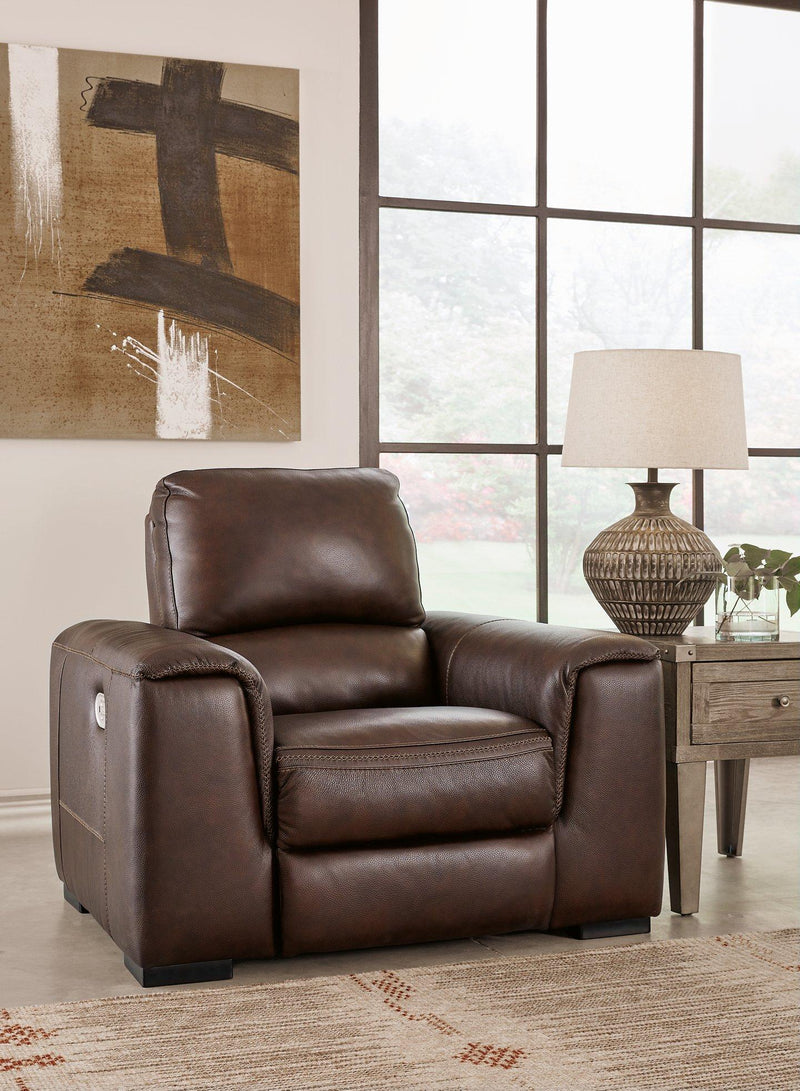
Reclining furniture includes recliner chairs, reclining sofas, lift chairs, and any reclining chair designed to move the body from upright sitting into a reclined position. Many recliners now include adjustable features such as leg rests, built-in lumbar support, power motion, heat, and quiet controls.
Since 2020, stress has become a bigger part of many people’s daily routine. It makes sense that the living room has become a recovery zone: a place for watching TV, reading, napping, or finding pure relaxation without fully going to bed.
Reclining furniture enhances rest and relaxation by optimizing body posture and reducing physical stress, with health benefits that include more even weight distribution, less spinal pressure, reduced stress, and better circulation. This can ease muscle tension, support muscle relaxation, reduce pressure on joints, and create the physical comfort needed to sleep comfortably.
Reclining furniture promotes better sleep by reducing pressure points, improving blood circulation, and easing breathing. Sleeping in a recliner is generally safe for most people, helping alleviate snoring, acid reflux, and joint tension. Still, not everyone should sleep in a recliner throughout the night; the following sections explain when it helps most.
Posture, Lumbar Support, and Back Pain Relief
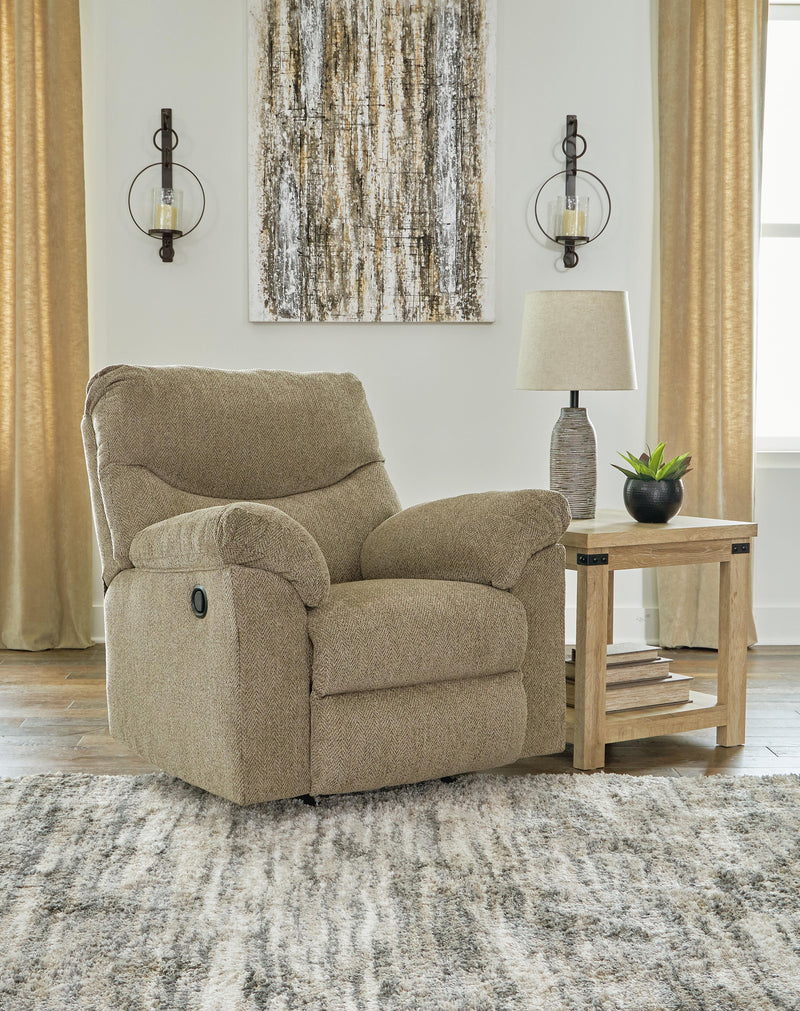
Long periods of sitting or standing can load the lower spine. Over time, this may lead to back pain, chronic discomfort, muscle tension, and postural strain. Recliners are designed to fit the shape of your body, distributing weight evenly and reducing pressure on the spine and joints, which helps maintain proper posture.
Recliners with built-in lumbar support help keep the natural curve of the lower back in check, which is essential for maintaining spinal alignment during prolonged sitting. Research on seated posture found that lumbar support can increase the natural lower-back curve; one study reported lordosis rising from about 20° without support to about 30° with stronger support. Another MRI-based study found reclined sitting produced more lumbar lordosis than forward-leaning sitting. In short, studies suggest improved posture is not just about feeling comfortable.
This is where a high-quality recliner with ergonomic designs can provide much-needed relief. An office worker with mid-back stiffness may use a recliner after work for pain relief. Someone with chronic pain or mobility issues may benefit from a lift recliner that reduces strain when moving between sitting and standing, supporting increased mobility. Recliner chairs are designed to provide easier transitions from sitting to standing, which can be particularly beneficial for individuals recovering from surgery who may have mobility challenges and a positive impact on independence and day-to-day movement.
The right recliner should match your comfort preferences: seat depth, arm height, quality materials, adjustable headrests, foot support, and real neck support matter. These ergonomic features help with reading, napping, or watching TV without slumping.
Improved Blood Circulation and Reduced Swelling
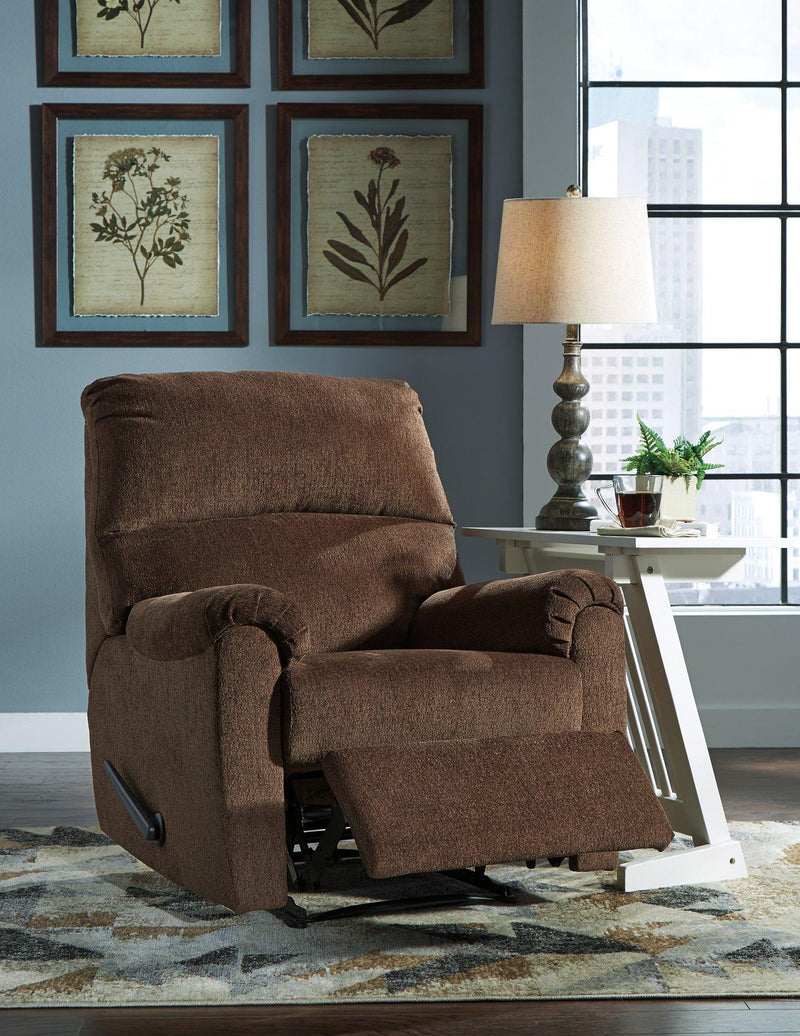
Upright sitting can slow blood flow in the legs, especially after travel, desk work, or long shifts. Elevating your legs while using a recliner eases the effort for your heart to pump blood, enhancing circulation and making it easier for blood to flow back to the heart.
Recliners can help increase blood flow and reduce swelling in the legs, which is essential for recovery after surgery, especially for those with circulatory issues. Recliners can help reduce swelling in the legs and feet by promoting better blood flow and allowing excess fluid to drain from the lower limbs. When sitting in a recliner, the elevation of the legs promotes blood flow and circulation, allowing muscles to receive more oxygen and nutrients, which helps reduce stiffness and tension.
This can be helpful for people with mild poor circulation, tired legs after work, or circulation problems that make evenings uncomfortable. It may also support recovery routines aimed at reducing inflammation and reducing pain after medical procedures, as long as a clinician approves.
Helpful elevation is not the same as being locked in one posture. Avoid tightly bent knees for extended periods, shift every 1–2 hours when possible, and ask a healthcare professional if you have a history of clots, severe swelling, or heart disease. Some people may also be told to wear compression socks; compression socks can help, but they should not replace medical advice.
Breathing, Acid Reflux, and Better Digestion
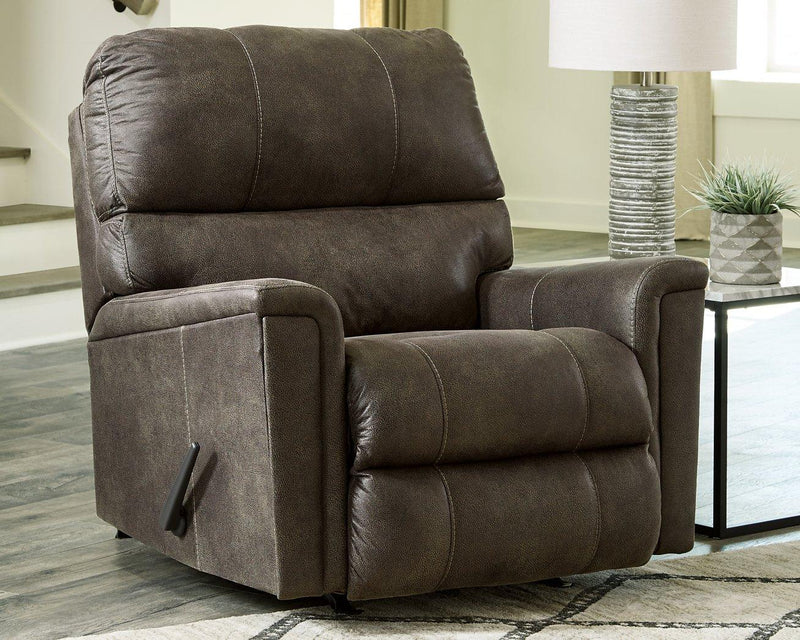
Lying flat can worsen acid reflux because stomach acid can move upward more easily. Sleeping in a reclined position may help ease heartburn by keeping the body in a more upright position, which is beneficial for those with acid reflux or gastroesophageal reflux disease (GERD).
Head and torso elevation can also reduce sleep disturbances. A 2021 review found that head-of-bed elevation improved reflux symptoms; in one trial, 69% of people using elevation had meaningful improvement versus 33% in the control group. Elevating the head by about 20 cm, or roughly 6–8 inches, is often used for nighttime reflux relief.
A semi-upright sleeping position may also help with snoring, sleep apnea symptoms, and mild obstructive sleep apnea by keeping the airway more open. Elevating your head while sleeping may help ease and manage symptoms of obstructive sleep apnea, as it can improve airflow and reduce airway blockage. One study found that semi-upright sleep reduced obstructive apnea events from about 16.6 to 8.6 per hour in postoperative patients.
Recliners can provide a more comfortable sleep environment for individuals who suffer from certain health issues, such as acid reflux, sleep apnea, or chronic pain, by allowing for an elevated sleeping position that alleviates pressure on the spine and improves breathing. Calm breathing in a reclined posture may also slow heart rate, support better digestion, and encourage the “rest and digest” response.
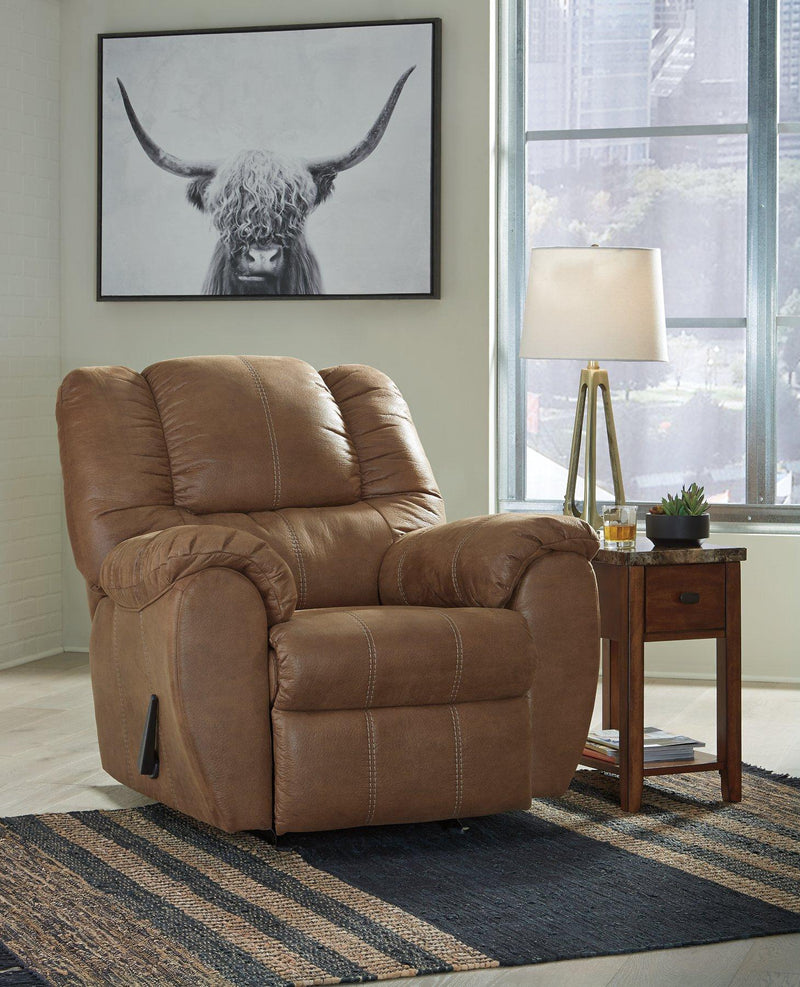
When Reclining Furniture Makes the Most Sense for Sleep
A bed is still ideal for many people because it allows full position changes. But a recliner chair can provide a comfortable and adjustable sleeping surface, allowing users to find a position that reduces pain and discomfort, leading to better sleep quality. Recliners can provide a comfortable and adjustable sleeping surface, allowing individuals recovering from surgery to find positions that reduce pain and discomfort, promoting better rest and recovery.
Sleeping in a reclined position may help ease heartburn by keeping your body in a more upright position, which is beneficial for those with acid reflux or gastroesophageal reflux disease (GERD). Recliners allow individuals to sleep in a slightly upright position, which can relieve pressure on the spine, ease muscle tension, and reduce symptoms of several health issues, especially those aggravated by lying flat.
Reclining often makes sense for:
-
post-surgery recovery after knee, hip, or back procedures
-
pregnant women with reflux, pressure, or breathing discomfort
-
chronic back pain or chronic discomfort
-
pronounced acid reflux or nighttime heartburn
-
mild positional obstructive sleep apnea, with medical guidance
Elevated inclines directly address nighttime sleep disruptions by opening airways, mitigating acid reflux, decompressing the spine, and enhancing deep sleep. Zero gravity positioning, head slightly raised, knees elevated, hips open, can spread weight evenly, reduce pressure, and help the body find a comfortable position.
|
Need |
Common angle to try |
|---|---|
|
General rest |
100–120° seat-back angle |
|
Acid reflux |
head elevated about 6–8 inches |
|
Mild breathing issues |
about 30–45° torso elevation |
|
Joint pressure relief |
|
Shop Now at Coastal Roots Furniture And Mattresses for Recliner Furniture
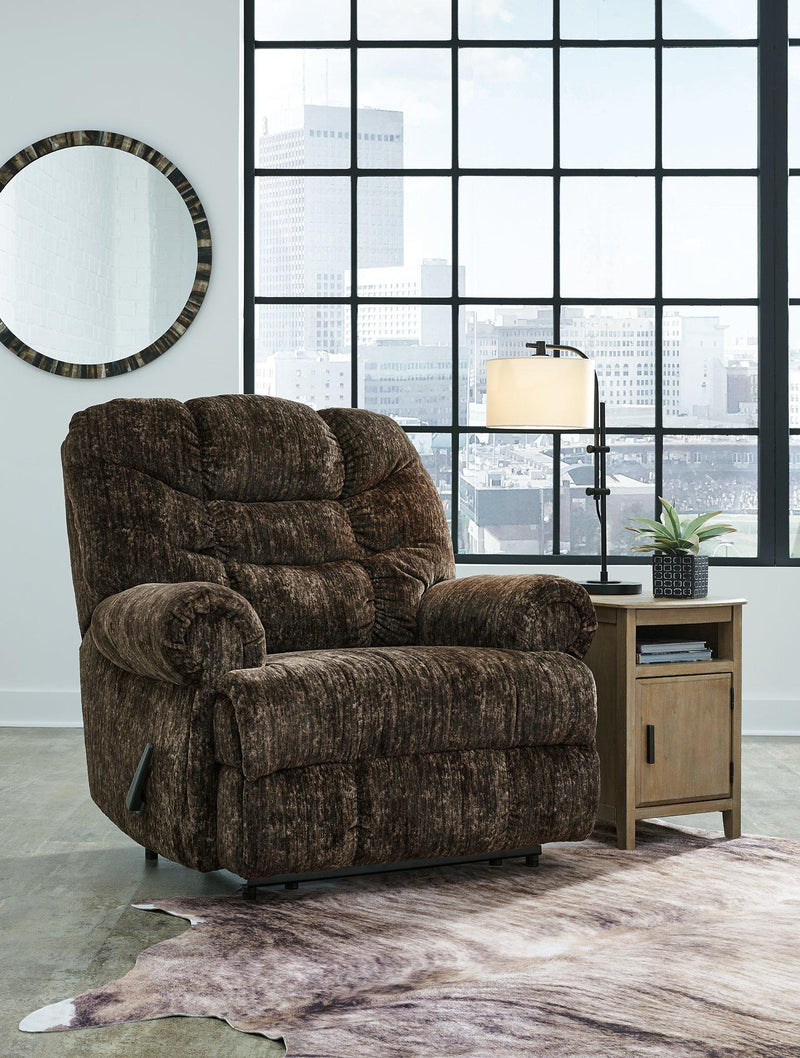
Shop now at Coastal Roots Furniture and Mattresses and discover recliner furniture designed to bring comfort, relaxation, and style into your everyday living space. Whether you're creating a cozy reading corner or upgrading your living room seating, our recliners offer the perfect place to unwind after a long day.
Get your recliner furniture at Coastal Roots Furniture and Mattresses and enjoy seating that combines durability with exceptional comfort. From classic designs to modern reclining features, each piece is crafted to support your lifestyle while enhancing the warmth and beauty of your home.