
What Mattress Options Help Improve Sleeping Comfort?
Key Takeaways
-
Match your mattress type and firmness to your sleeping position. Side sleepers usually need more cushioning, while back or stomach sleepers need a stronger lift for a good night’s sleep.
-
A hybrid mattress is often the best hybrid mattress choice for balanced support, pressure relief, cooling, edge support, and ease of movement.
-
Hot sleepers should prioritize breathable materials, pocketed coils, latex, gel-infused memory foam, and a cooling cover to help them fall asleep faster and stay asleep.
-
People with back pain or joint discomfort should look for a comfortable mattress that supports proper spinal alignment rather than simply choosing the softest or firmest option.
-
Budget, trial periods, warranties, pillows, toppers, and the right bed frame matter, but comfort, alignment, and temperature control should drive your final decision.
Introduction: How Mattress Choices Affect Your Sleep Comfort
The right mattress can change how quickly you fall asleep, how often you wake up, and how stiff you feel in the morning. If your bed is too soft, too firm, too hot, or no longer supportive, even a full night in bed can leave you feeling unrested.
In 2026, a good mattress is not just a thick slab of foam or springs. The best mattress options balance support and pressure relief, with popular types including memory foam, hybrids, latex, and adjustable air. A good mattress should keep your spine aligned, cushion your shoulders and hips, limit body heat buildup, and fit your body weight and sleeping position.
That means the ideal choice will differ for side sleepers, back sleepers, stomach sleepers, couples, hot sleepers, and people searching for a mattress for back pain. In this guide, we’ll walk through the main mattress types, firmness levels, sleep-position recommendations, cooling features, and practical buying tips so you can choose a new mattress with more confidence.
Mattress Types And How They Influence Comfort
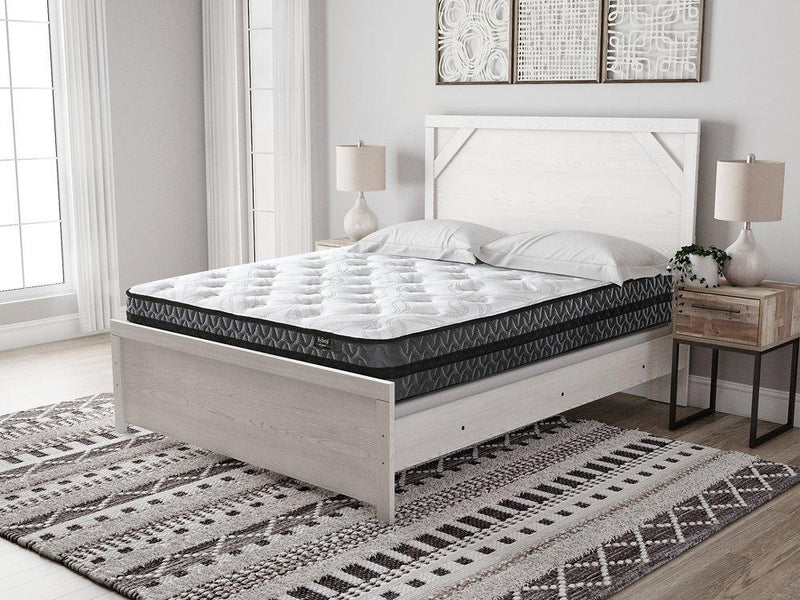
Mattress construction is the foundation of comfort. The materials inside the bed determine how much it contours, how cool it sleeps, how much bounce it has, how long it lasts, and whether it gives you adequate support over time.
Memory foam mattresses
Memory foam mattresses contour closely to the body, providing pressure relief, but they can retain heat more than other types. This close hug is why memory foam is popular with side sleepers and people who feel pressure at the shoulders, hips, or knees.
Memory foam mattresses are known for their ability to contour closely to the body, providing pain and pressure point relief, especially for side sleepers who experience pressure on their hips and shoulders. A memory foam layer can spread body weight over a wider area, which helps reduce sharp pressure points.
The trade-off is response and temperature. Traditional foam mattresses can feel slow-moving, and some sleepers feel “stuck” when changing positions. Other memory foam mattresses now use gel-infused memory foam, copper, graphite, open-cell structures, or a cooling cover to reduce heat retention.
If you like a cushy memory foam feel, but your current bed is too firm, a memory foam mattress topper can soften the surface without replacing the entire mattress. Just remember that a topper improves surface comfort; it does not fix a sagging support core.
Innerspring mattresses
Innerspring mattresses have coils throughout the center, providing support and a traditional feel, but they may not offer as much pressure relief as foam options. They tend to feel bouncy, breathable, and easier to move on than an all-foam mattress.
Because air can move through the coil system, innerspring mattresses often sleep cooler than dense foam beds. They may also provide strong edge support, especially when the perimeter is reinforced.
The downside is contouring. A basic innerspring with a thin foam comfort layer may not cushion the shoulders and hips enough for many side sleepers. It can also transfer more motion than memory foam, which matters if you share the same mattress with a partner.
Hybrid mattresses
Hybrid mattresses combine the best characteristics of foam and innerspring beds, offering a balance of support and comfort. A typical hybrid mattress uses pocketed coils for lift and airflow, plus comfort layers made from memory foam, latex, polyfoam, or micro-coils.
Hybrid mattresses combine the support of innerspring coils with the pressure-relieving properties of foam, making them a popular choice for sleepers seeking both comfort and support. This is why a medium-firm mattress in a hybrid design works well for many average-weight sleepers and couples.
Hybrid mattresses are known for their ability to regulate temperature effectively due to their combination of materials, which promote airflow and reduce heat retention. The coil core helps dissipate body heat, while the top layers provide cushioning.
For many shoppers, the best hybrid mattress is a practical middle ground: more contouring than a traditional innerspring, more bounce than an all-foam design, and better cooling than many dense foam mattresses.
Latex mattresses
Latex mattresses use latex foam, derived from the sap of rubber trees, and are known for their durability and cooling properties. Latex has a buoyant, springy feel, so it does not usually create the deep “hug” of memory foam.
This makes latex useful for combination sleepers who want ease of movement. It can also be a strong option for hot sleepers because latex is naturally breathable, especially when paired with organic cotton, wool, or other moisture-wicking materials.
Latex beds often cost more than the average mattress, but they can last longer than many foam or innerspring options. If you want a high-quality mattress with a responsive feel, latex is worth considering.
Adjustable air and water designs
Adjustable air mattresses use air chambers to change firmness, and some split designs allow each partner to select a different level of support. They can be helpful if your needs change over time or if you and your partner strongly disagree on firmness.
Waterbeds use water to provide structure and pressure relief, but they are less durable than other mattress types and require maintenance. They are far less common today because they can be heavy, difficult to move, and prone to leaks or temperature issues.
Choosing The Right Firmness For Better Sleep Comfort
Mattress firmness is typically measured on a scale from 1 to 10, with 1 being the softest and 10 being the firmest, and the right firmness level is largely dependent on individual weight, preferences, and sleeping position.
Here’s a simple way to read the scale:
|
Firmness range |
Common feel |
Best fit for many sleepers |
|---|---|---|
|
1–3 |
Very soft to soft mattress |
Lightweight side sleepers, joint-sensitive sleepers |
|
4–6 |
Medium soft to medium firmness |
Side sleepers, some back sleepers, pressure relief seekers |
|
5–7 |
Medium firm |
Many adults, couples, back sleepers, and mixed-position sleepers |
|
7–9 |
Firm to extra-firm mattress |
Stomach sleepers, heavier sleepers, some back sleepers |
Medium to medium firm is often a safe starting point because it balances cushioning and support. Research has also challenged the old idea that everyone with back pain needs the hardest bed possible. A study on mattress firmness and sleep quality found that medium firmness improved sleep efficiency and sleep-related measures compared with softer or firmer surfaces in that setting (study source).
Body weight changes how firmness feels:
-
Lighter sleepers under 130 pounds often need a softer surface because they do not sink deeply into the bed.
-
Average weight sleepers between 130 and 230 pounds often do well on medium, medium firm, or medium firm feel.
-
Heavier individuals often need a firmer mattress to provide adequate support and prevent excessive sinkage, while lighter individuals may find softer mattresses more comfortable as they do not sink as deeply into the bed.
Comfort is still subjective. If possible, test mattresses in person and use at-home trials of at least 100 nights. A showroom test tells you how a mattress feels for 10 minutes; your real sleep environment tells you how it performs over several weeks.
If two partners prefer different firmness levels, one practical solution is to choose a firmer core mattress and adjust each side with a topper. A softer topper can create a plush soft feel, while a thinner, denser topper can make the surface feel slightly firmer.
Best Mattress Options By Sleeping Position
Your sleeping position is one of the strongest predictors of what will feel comfortable. Side, back, stomach, and combination sleepers load the mattress differently, so the same mattress can feel perfect to one person and uncomfortable to another.
Side sleepers usually need more pressure relief. Back sleepers need lumbar support. Stomach sleepers need a strong lift at the hips. Combination sleepers need responsiveness and ease of movement.
Mattress For Side Sleepers
Side sleepers generally benefit from a medium-soft to plush mattress that allows their shoulders and hips to sink in while maintaining spinal alignment. Side sleepers generally prefer a softer mattress, 3 to 6 on the firmness scale, to alleviate pressure on their hips and shoulders, while back and stomach sleepers typically require a firmer mattress, 6 to 9, to maintain proper spinal alignment.
A mattress for side sleepers should cushion the shoulders and hips without letting the waist collapse. Memory foam, soft latex, and plush hybrid designs are common choices because they contour around curves and reduce numbness.
The best soft mattress for side sleepers is not simply the softest bed available. It should still keep the spine level from neck to tailbone. If the hips sink too far, the lower back can twist out of alignment.
A lightweight side sleeper may prefer a soft model or medium soft mattress with a plush pillow top. A heavier side sleeper may need a medium-firm model with thicker comfort layers so the bed provides both pressure relief and ample support.
If you are searching for the best mattress for side comfort, focus less on labels and more on how your shoulders, hips, and waist feel after a full night.
Mattress For Back Sleepers
Back sleepers typically prefer a medium to firm mattress that provides adequate support to keep the spine aligned and prevent sinking in too deeply. A medium-firm mattress usually works well because it supports the lumbar region while offering a gentle cradle.
A hybrid or supportive foam design can work, as long as the surface does not allow the hips to sink lower than the shoulders. The best mattress for back comfort should fill in the lower-back curve without forcing the spine upward.
People with existing back pain often do well with zoned support. These designs reinforce the center of the mattress while allowing more give near the shoulders. A pressure-mapping study published in Applied Ergonomics found that pressure and support needs differ by body region and posture, which supports the idea that one global firmness rating does not tell the full story (study source).
A quick at-home check can help: lie on your back and slide a hand under your lower back. If there is a large gap, the mattress may be too firm or not contour enough. If your hand is pinned down and your hips are sinking, the mattress may be too soft.
Mattress For Stomach Sleepers
Stomach sleepers require a firmer mattress to prevent their hips from sinking below their shoulders, which can lead to spinal misalignment and discomfort. For most stomach sleepers, the right firmness falls around 7 to 9.
This is especially important for back or stomach sleepers who rotate between those positions. If the pelvis drops too far, the lower back arches all night. That can create morning stiffness, back pain, and muscle tension.
Firm hybrids and firm foam mattresses usually work best. They should provide lift with only a thin comfort layer for light cushioning. A firm mattress does not need to feel like the floor, but it should resist deep sinkage.
Lighter-weight stomach sleepers may be comfortable on a medium-firm bed. Heavier stomach sleepers usually need stronger support, thicker construction, and more robust coils or high-density foam to avoid long-term sagging.
Best Mattress Options For Combination Sleepers
Combination sleepers move between side, back, and sometimes stomach positions during the night. Because they change posture often, they need a mattress that responds quickly.
Medium to medium-firm hybrids and responsive latex models are usually strong options. The goal is to avoid the stuck-in-bed sensation that can happen with slow-moving foam. If you wake up every time you roll over, the mattress may not have enough bounce.
Look for:
-
Responsive comfort layers
-
Pocketed coils or latex support
-
Motion isolation when sharing the bed
-
Enough contouring for side sleeping
-
Enough lift for back or stomach moments
Couples who are both combination sleepers should also pay attention to motion transfer. A mattress can be responsive without shaking the entire bed every time one person turns over.
Comfort Features That Help You Sleep Cooler And Deeper
Overheating can make it harder to fall asleep and stay asleep. If you sleep hot, cooling materials are not just a luxury; they can be the difference between fragmented sleep and quality sleep.
Coil-based beds and hybrids are naturally cooler because air can move through the spring system. Hybrid mattresses are especially useful for hot sleepers because the coils create airflow while the comfort layers still cushion the body.
Memory foam mattresses tend to retain more heat compared to hybrid models, but advancements like gel-infused foams have improved their cooling properties. Memory foam mattresses can sleep warmer because the material contours closely and can hold body heat, but modern designs are much better than older, dense foams.
Cooling features in mattresses, such as breathable covers and gel-infused foams, are designed to help dissipate body heat and maintain a comfortable sleeping temperature. A cooling mattress may also include copper, graphite, phase-change materials, perforated foam, or a cooling cover that feels cool to the touch.
Natural latex and wool layers can also help regulate temperature. Latex is breathable and springy, while wool can wick moisture. Covers made with organic cotton can improve airflow and feel more breathable in warm or humid climates.
If you sleep hot, look for:
-
Pocketed coils or an open support core
-
Latex or ventilated foam
-
Gel-infused memory foam or copper-infused foam
-
Breathable fabric covers
-
Lightweight sheets and a breathable pillow
-
A sleep environment that stays cool and dry
Support, Pressure Relief, and Back Pain: Finding A Truly Comfortable Mattress
Comfort is not just softness. Real comfort is the balance between support and cushioning. A mattress should let heavier areas sink in just enough while keeping the spine neutral.
A mattress that provides proper spinal alignment can help alleviate back pain by ensuring that the spine remains in a neutral position during sleep. In simple terms, your spine should look roughly straight when you are on your side and naturally curved, but not sagging, when you are on your back.
Pressure relief is crucial for back pain sufferers, as a mattress that cushions sensitive areas like the lower back can help reduce discomfort and improve sleep quality. Pressure relief also matters for shoulders, hips, knees, and joints.
A mattress that offers good pressure relief allows heavier body parts, like shoulders and hips, to sink in just enough while actively supporting the waist and lower back, keeping the spine naturally straight and allowing muscles to relax.
Medium-firm mattresses are often recommended for back pain relief as they provide a balance of support and comfort, helping to maintain spinal alignment without excessive sinking. This does not mean every person with back pain needs the same bed, but it does make medium firm a smart starting point.
For many people with chronic discomfort, a medium-firm hybrid with zoned support and a cushioned top feels better than an ultra-firm surface. A luxury firm feel can also work if it provides enough contouring at the surface.
Heavier sleepers and tall individuals may need thicker mattresses, stronger coil systems, or high-density foams. A thin or weak all-foam mattress may feel fine at first, but it loses support faster under higher body weight.
If you are comparing the best memory foam mattress, best hybrid mattress, or best mattress for back pain, focus on these questions:
-
Does the mattress keep your spine neutral?
-
Does it reduce pressure in your most sensitive areas?
-
Does it stay cool enough for your body?
-
Does it provide adequate support after several hours, not just at bedtime?
-
Does it work with your pillow height and bed frame?
Mattress Comfort Considerations For Couples
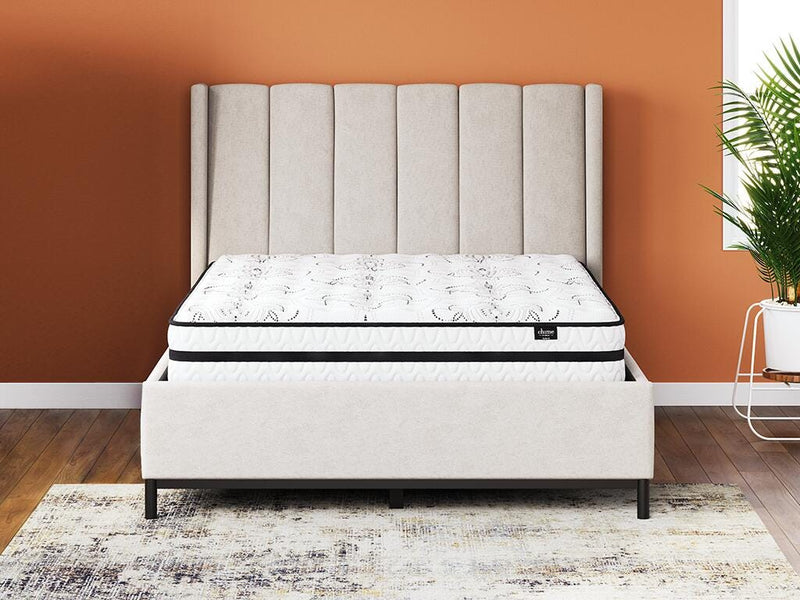
Couples have to balance two bodies, two comfort preferences, and shared movement on one surface. For couples, a mattress that provides a balance of comfort and support is essential, as it helps to keep both partners comfortable and aligned, reducing the risk of waking each other up during the night.
Motion isolation is crucial for couples, as it measures a mattress’s ability to prevent movement from one side of the bed affecting the other, allowing for undisturbed sleep even if one partner moves around during the night. Memory foam usually performs well here, and many hybrids with individually wrapped pocketed coils also limit motion transfer.
Edge support refers to the sturdiness of a mattress’s perimeter, which prevents sagging and helps alleviate aches and joint pain. A mattress with strong edge support allows sleepers to utilize the full surface of the bed without feeling like they might roll off.
Good edge support is particularly important for individuals with mobility issues, as it provides a stable surface to sit on when getting in and out of bed. It also matters for couples using a smaller bed, because weak edges make the usable sleep surface feel narrower.
A mattress that excels in edge support allows couples to use the full surface of the bed without feeling like they might roll off, which is particularly important for those who share a smaller bed.
Couples with different firmness preferences may benefit from split firmness mattresses, which allow each partner to choose their preferred level of support without compromising the overall comfort of the bed. Adjustable air beds and split configurations can be useful, though they usually cost more than a standard mattress.
For many couples, a medium or medium-firm hybrid is the most practical starting point. It offers support, pressure relief, cooling, great edge support, and motion control without leaning too far toward plush or firm.
Practical Buying Tips To Maximize Comfort And Value
Comfort is experienced over weeks, not minutes. A mattress that feels nice in a store may feel different after eight hours of sleep, especially once your body has adjusted to the new support system.
Before buying, confirm the sleep trial. Many mattress manufacturers offer 100-night trials, and some offer longer periods. Read the return terms carefully because some mattress brands charge pickup, exchange, or restocking fees.
Also, check the warranty. Most quality mattresses include at least 10 years of coverage, but the details matter. Look for what counts as a defect, what sagging depth is covered, and whether the warranty requires a specific bed frame or foundation.
A good setup matters as much as the mattress itself. A weak base can make even a high-quality mattress sag earlier. Match the mattress to a supportive bed frame, platform, adjustable base, or foundation recommended by the manufacturer.
Budget for the full sleep system, not just the mattress. A plush pillow, breathable sheets, a mattress protector, and a topper can all change how the bed feels. If the mattress is slightly firmer than you expected, a topper may help. If it is too soft and unsupportive, replacement is usually the better long-term choice.
When reading reviews, act like a mattress tester rather than a casual shopper. Look for patterns from people with a similar sleeping position, body weight, and temperature profile. You may also run into branded search phrases such as Bear Elite Hybrid, Helix Midnight Luxe, Brooklyn Bedding, Saatva Classic Mattress, and Mattress Nerd in comparison content. Treat those as examples of how the market talks about beds, not as proof that one option is automatically right for you.
Here is a simple buying checklist:
|
Comfort factor |
What to check |
|---|---|
|
Firmness |
Does it match your sleep position and body weight? |
|
Support |
Are your hips, waist, and lumbar region stable? |
|
Pressure relief |
Are shoulders, hips, and knees cushioned? |
|
Cooling |
Does the bed help dissipate body heat? |
|
Motion isolation |
Can one partner move without waking the other? |
|
Edge support |
Can you sit or sleep near the edge comfortably? |
|
Trial and warranty |
Can you test it at home and return it if needed? |
|
Value |
Is it an affordable mattress for your needs, or are you paying for extras you do not need? |
A luxury mattress can be worth it if the materials, support system, and durability match your needs. But spending more does not automatically guarantee better comfort. A well-matched mid-range mattress often beats an expensive bed that does not fit your body.
FAQ: Mattress Comfort Questions People Commonly Ask
The questions below cover practical issues that often come up after comparing mattress types, firmness levels, and comfort features. Use them as a quick reference before buying or troubleshooting a new bed.
How long does it usually take to adjust to a new mattress?
Most people need 2 to 4 weeks to adjust to a new mattress, especially when switching from an old innerspring to memory foam or a hybrid. Your body may need time to adapt to a different level of support.
Give the mattress at least 30 nights before making a final comfort judgment unless pain is severe. During that period, try small changes such as adjusting pillow height, using a thinner blanket if you sleep hot, or adding a thin topper if the surface feels too firm.
Can a mattress topper really fix an uncomfortable mattress?
A topper can improve surface feel, add pressure relief, or make a bed feel slightly softer or slightly firmer. A memory foam mattress topper is useful if your mattress still has a solid support core but feels too hard at the surface.
A topper cannot fully correct a severely sagging or unsupportive mattress. If the mattress is older than about 7 to 8 years, has visible dips, or causes worsening pain, replacing it is usually better for long-term comfort.
What’s the best mattress choice if I share a bed and we prefer different firmness levels?
Start with a medium or medium firm hybrid and customize each side with separate toppers if the difference is moderate. This gives both partners a shared support core while allowing each side to feel softer or firmer.
If the difference is large, consider a split firmness mattress or an adjustable air system. These cost more, but they can be worthwhile when one partner needs plush cushioning and the other needs firm support.
How do I know it’s time to replace my old mattress for comfort reasons?
Common signs include visible sagging, lumps, noisy springs, waking with new or worsening back pain, or sleeping better on a hotel bed or guest bed than at home. Age also matters: many mattresses start losing comfort and support around 7 to 8 years, depending on material quality and use.
Pay attention to how you feel within 30 to 60 minutes of waking. Lingering stiffness, numbness, or fatigue often points to poor support, inadequate pressure relief, or a mattress that no longer fits your body.
Does spending more always mean a more comfortable mattress?
No. A higher price can reflect better materials, stronger coils, natural latex, denser foams, or a more refined plush pillow top, but comfort is still personal. The best mattress is the one that fits your body, sleep position, temperature needs, and budget.
Set a realistic budget, prioritize support and pressure relief over luxury extras, and use the sleep trial to confirm comfort at home. A mid-range, comfortable mattress that matches your needs can deliver better quality sleep than a more expensive bed chosen for the wrong reasons.
Get Your Mattress Collection at Dimensional Outlet Furniture
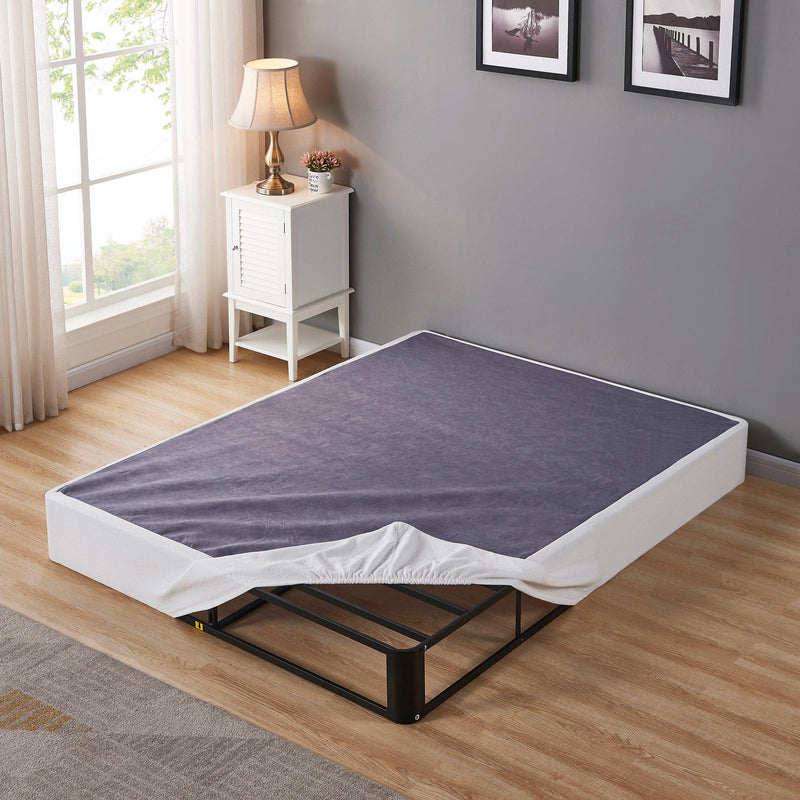
Get your mattress collection at Dimensional Outlet Furniture and experience the comfort and support you need for a better night's sleep. Whether you're upgrading your current mattress or furnishing a new bedroom, our selection offers quality options designed to suit a variety of sleep preferences and comfort levels.
Shop now at Dimensional Outlet Furniture and explore a mattress collection crafted to help you wake up refreshed and ready for the day. From plush comfort to firm support, you'll find durable mattresses that combine quality materials, long-lasting performance, and exceptional value for your home.